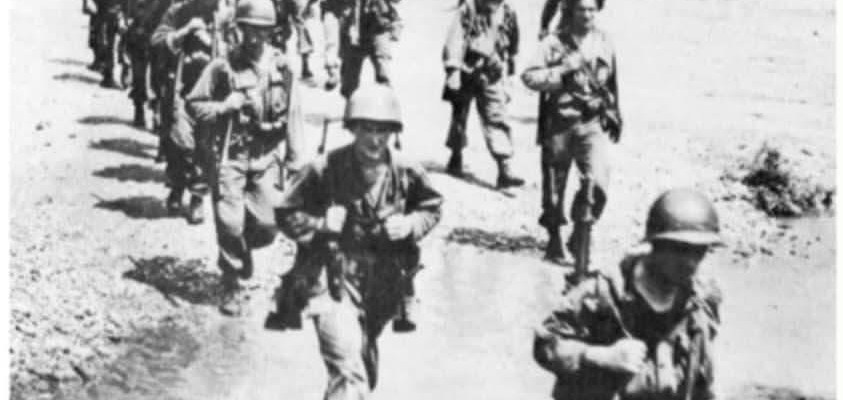
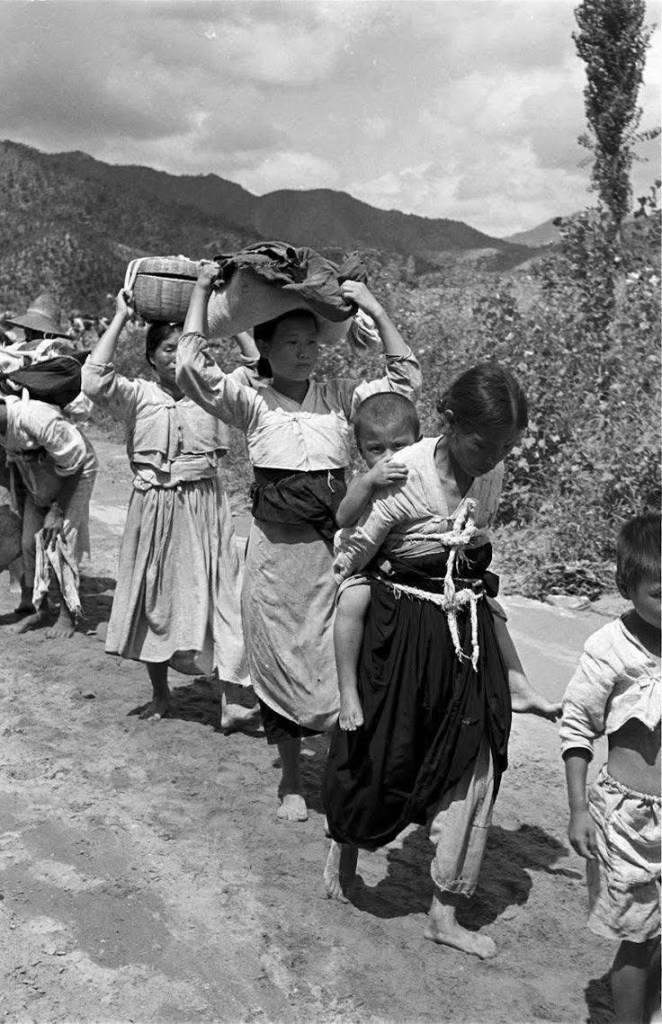
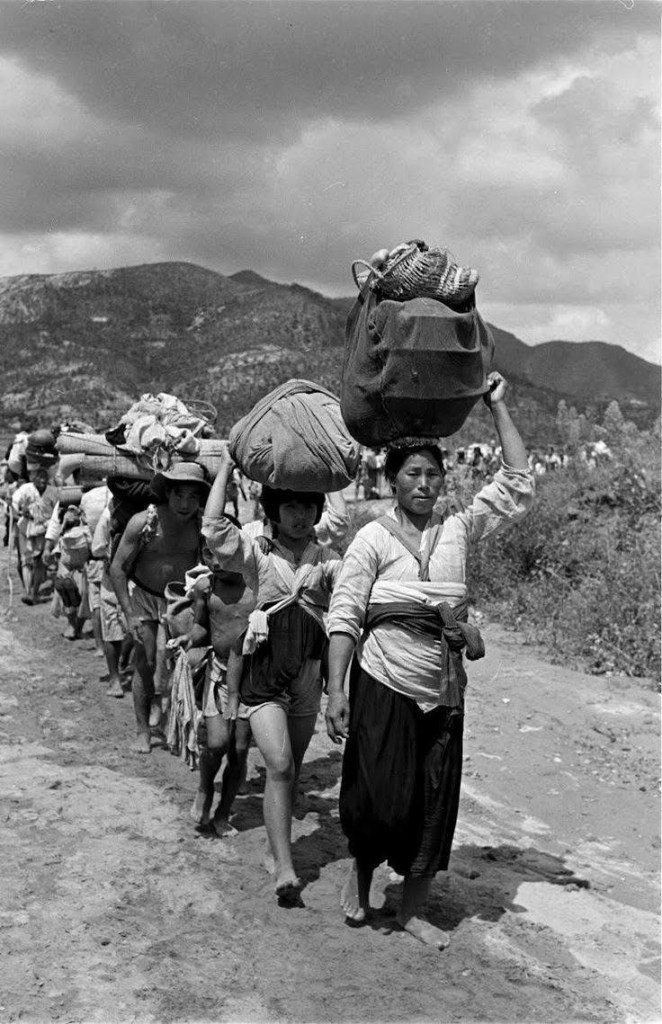
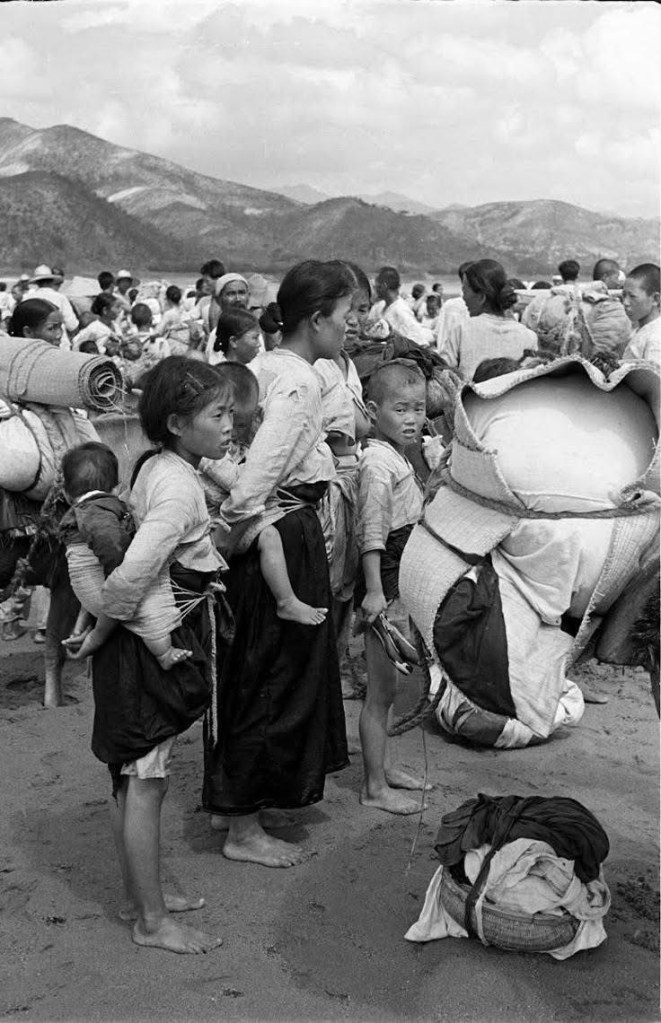
During the Korean War, in an era when even shoes were precious, people marched south until their soles bled from tripping over rocks; it was a brutal tragedy of that time. The greatest suffering was hunger.
OTD
The 2nd Infantry Division arrived in Busan from Fort Lewis, Wash., in 1950.
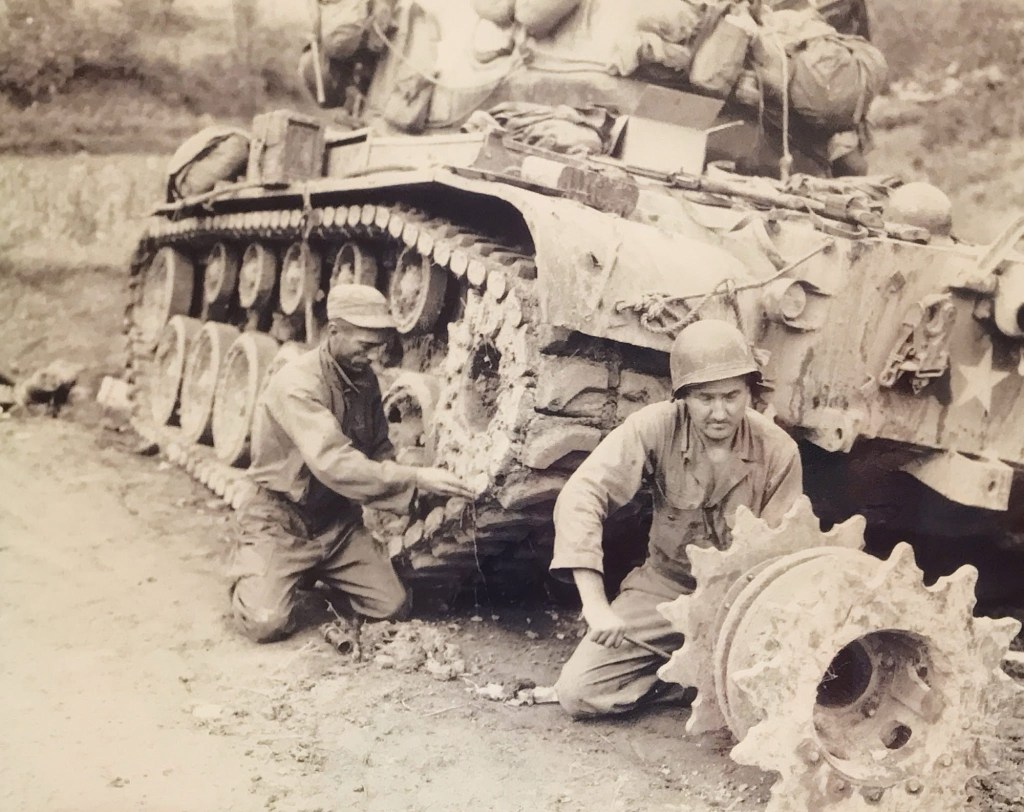
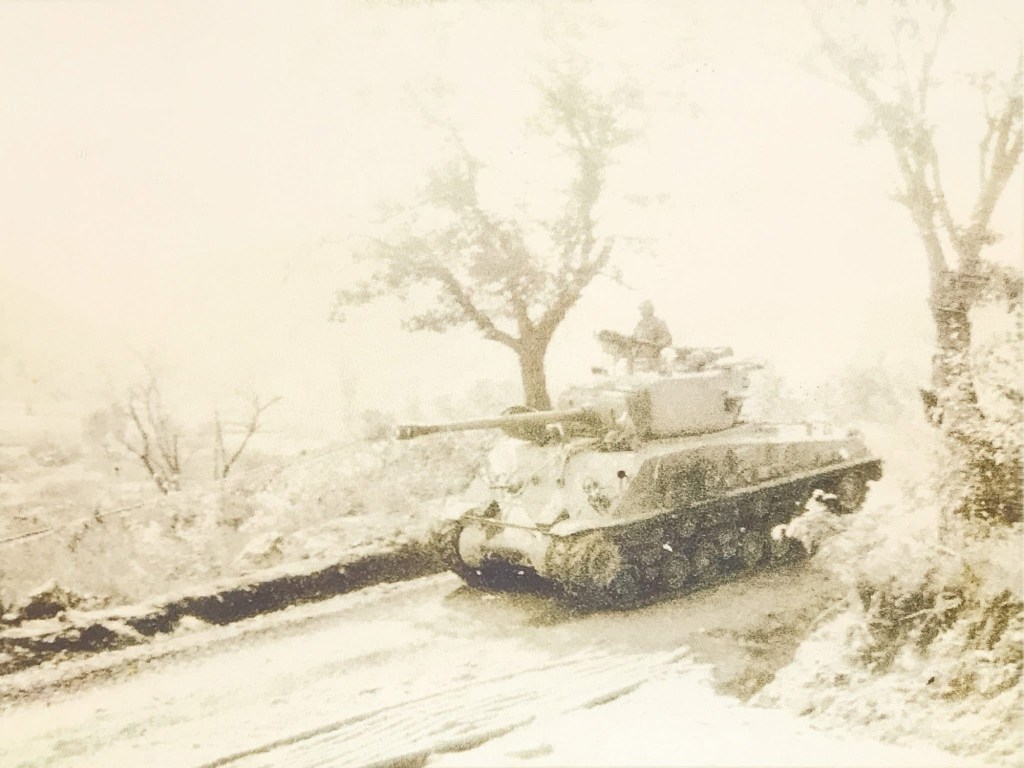
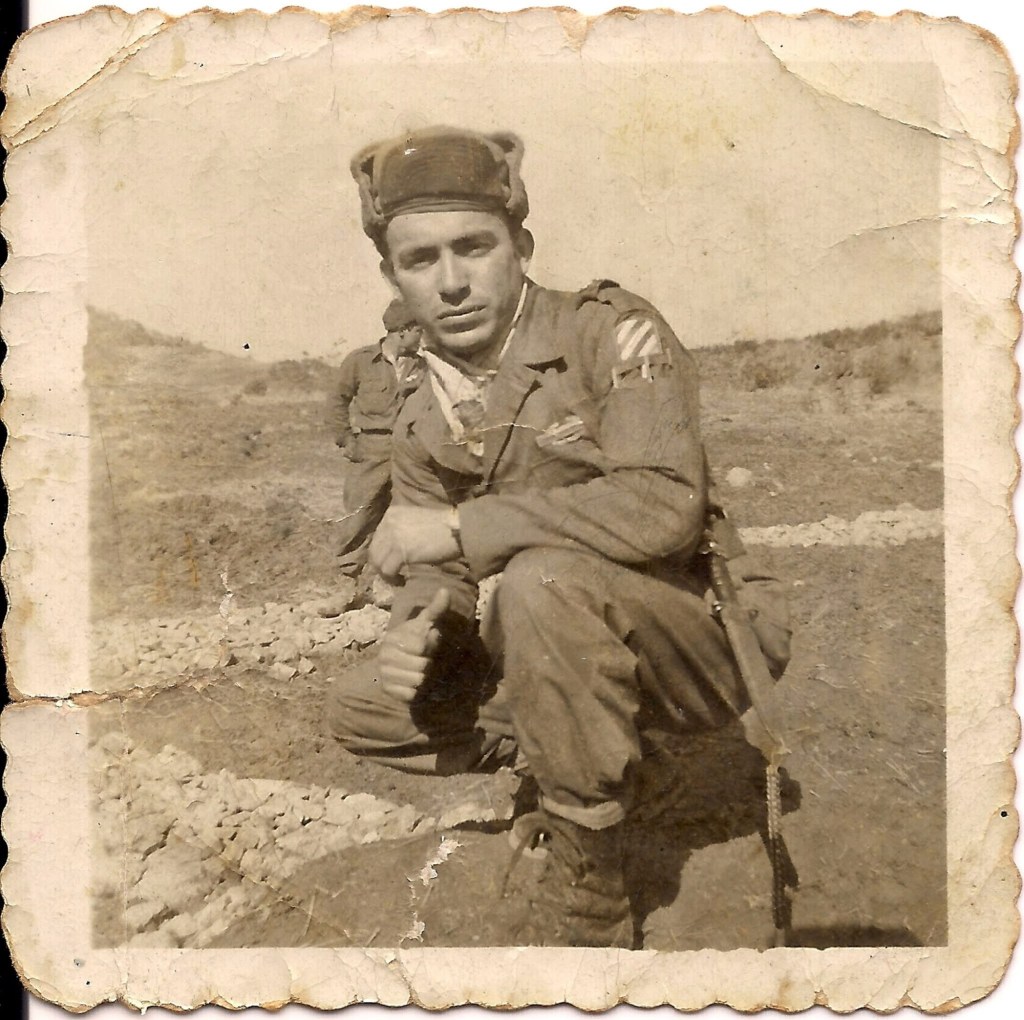
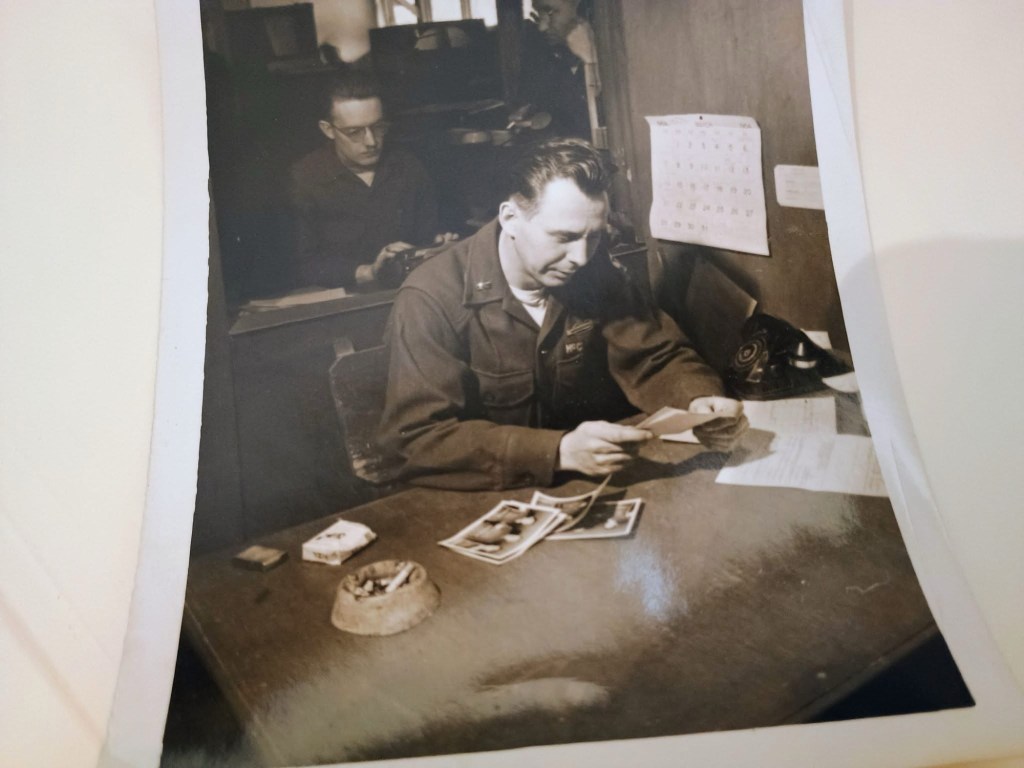
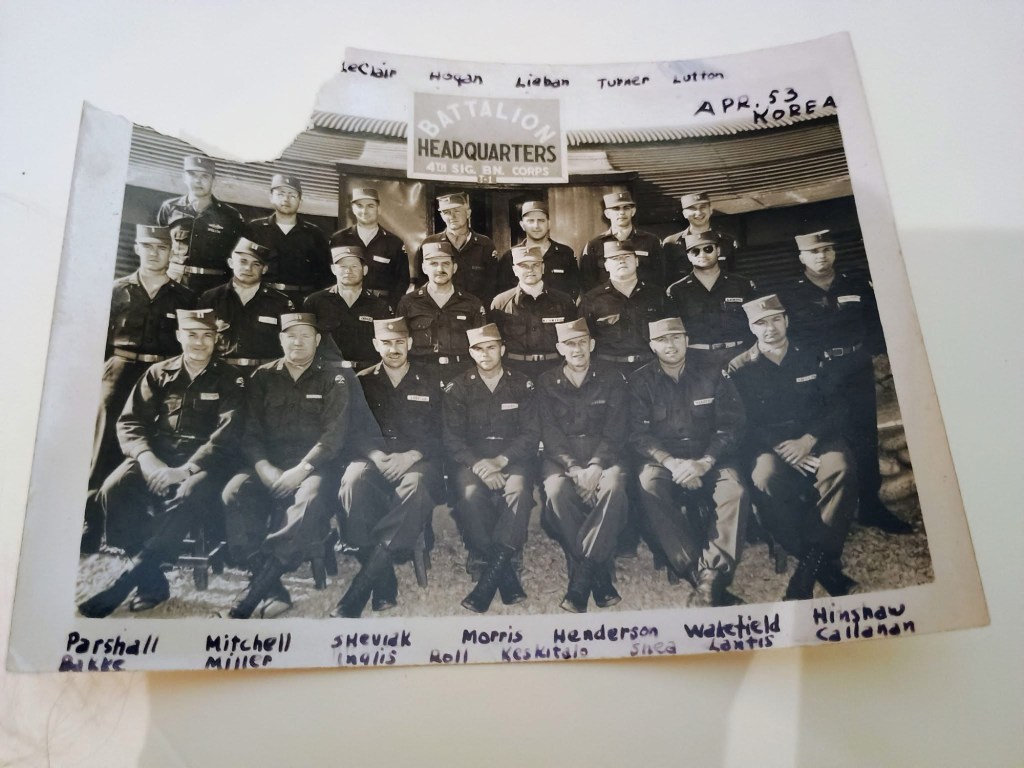
Just wanted to share some of my father’s (CPL Juan Gonzalez )
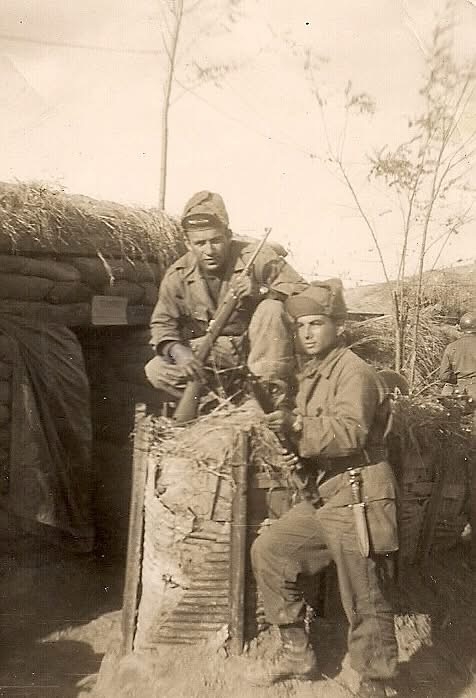
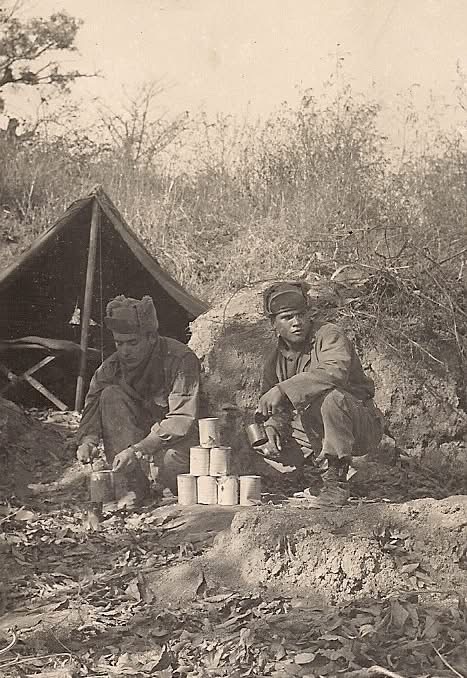
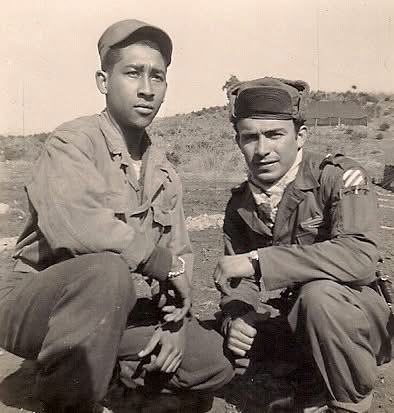
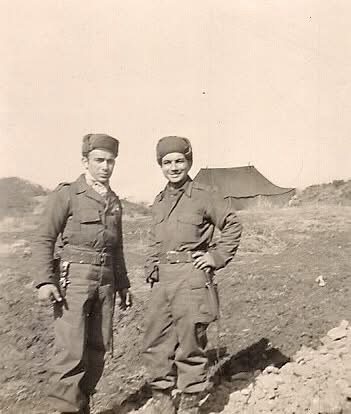
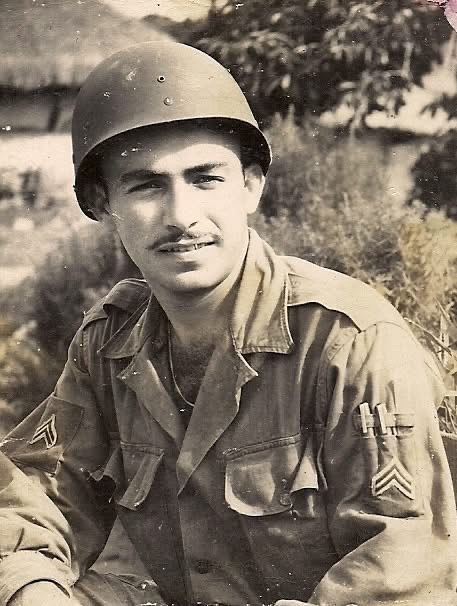
photos with the 3rd Infantry Division, 65th Infantry Regiment, 3rd Battalion, L Company – Korea 1952-53.
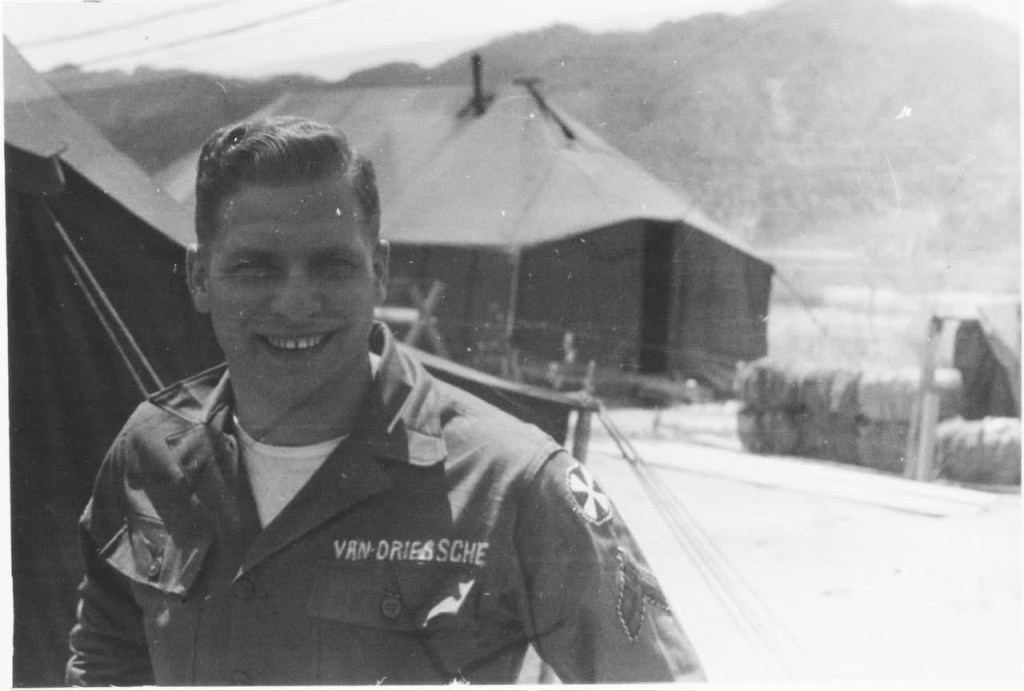
952년 – 조지 A. 반 드리쉬, 1952년. (최근 그의 사진을 많이 공유하고 있습니다. 정말 많아요.)
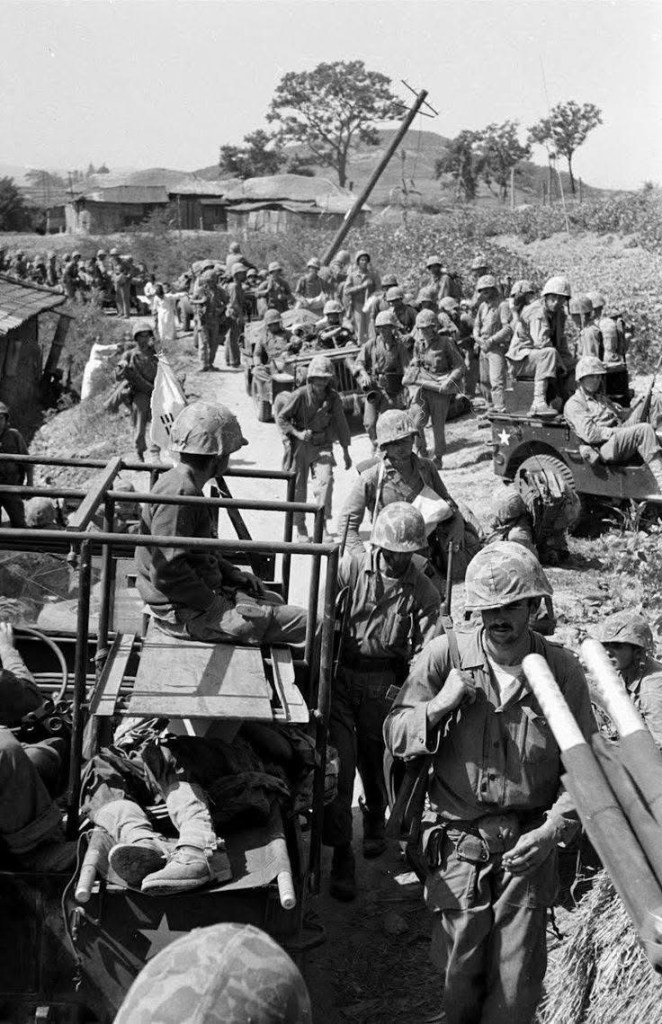
U.S. Marine 1st Division soldiers advancing from Incheon to Seoul
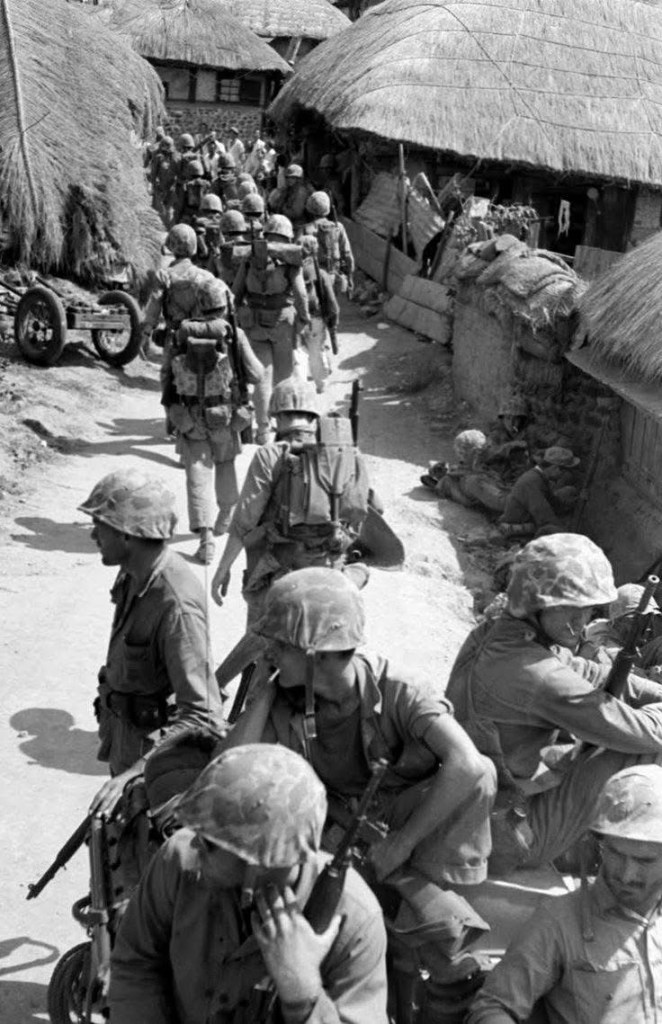
At Umyong-ni, the 1st Battalion, 29th Infantry, commander did not learn of the disaster at Anui until early morning. By this time what was left of the 1st Battalion and mixed force of ROKA/ROKMC units was under attack. These forces withdrew towards Sanch’ong, a town about 20 miles north of Chinju, after dark.
2nd Battalion, 35th Infantry withdraws to new positions 2 miles north of Sanju while the 27th Infantry is ordered into Army reserve at Waegwan on the Naktong River. After the 27th had withdrawn through 1st Cavalry positions, the 1st Cavalry began withdrawing to new positions near Kumch’on, an important road junction 30 air miles northeast of Taegu. The 8th Cavalry took up a position astride the Sangju road, the 5th Cavalry astride the Chirye road and the 7th Cavalry astride the Yongdong road six miles northwest of Kumch’on.
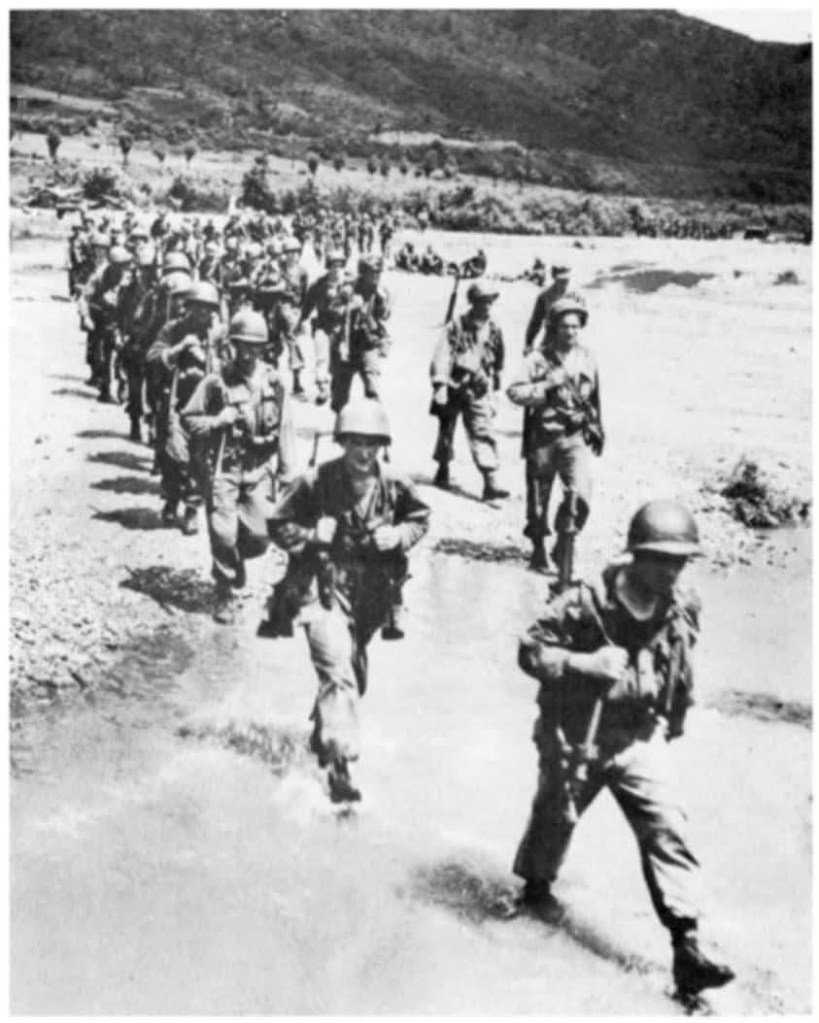
U.S. TROOPS MOVING FORWARD. On 29 July the Americans fell back under heavy frontal assaults to establish defensive positions near Kumch’on. Heavy fighting continued on the east coast for the control of Yongdok.
1950년 7월 29일 – 거창에 주둔하던 미 제34보병연대에 대한 공격이 오전 4시경 시작되었습니다. 북한군 일대는 북쪽에서 공격을 가해 ‘I’ 중대를 고립시켰고, 다른 부대는 마을 북쪽으로 우회한 뒤 남쪽으로 내려와 거창 동쪽의 도로를 차단했습니다. 제1대대는 이 공격을 격퇴했으나, 상부의 명령 없이 거창에서 동쪽으로 3마일 떨어진 제2방어선으로 철수했습니다. 잠시 후 제3대대 또한 ‘I’ 중대를 남겨둔 채 거창에서 철수했습니다. 날이 밝은 뒤 제1대대가 복귀하여 ‘I’ 중대원 대부분을 구출했으나, 한 개 소대 병력은 전사하거나 포로가 되었습니다. 이후 연대는 협천 도로상에 위치한 산제(Sanje) 마을 인근, 동쪽으로 15마일 떨어진 새로운 진지로 철수했습니다. 철수 과정에서 공병대는 모든 교량을 파괴하고 절벽을 폭파하여 도로를 차단했습니다. 거창 상실에 위기감을 느낀 미 제8군은 한국군 제17연대를 산제로 이동시키고, 동해안 영덕-포항 지역에 있던 미 제21보병연대 제1대대를 협천으로 이동시켜 제34연대 후방에 배치했습니다.
유명리(Umyong-ni)에 있던 미 제29보병연대 제1대대장은 이른 아침이 되어서야 안의(Anui)에서 벌어진 참사를 알게 되었습니다. 당시 제1대대 잔류 병력과 한국 육군 및 해병대 혼성 부대는 이미 공격을 받고 있는 상황이었습니다. 이들 부대는 어둠이 내린 후 진주 북쪽 약 20마일 지점에 있는 산청(Sanch’ong) 방향으로 철수했습니다.
미 제35보병연대 제2대대는 상주(Sanju) 북쪽 2마일 지점의 새 진지로 철수했고, 제27보병연대는 낙동강변 왜관(Waegwan)의 군 예비대로 이동하라는 명령을 받았습니다. 제27연대가 미 제1기병사단 진지를 통과해 철수한 뒤, 제1기병사단도 대구에서 북동쪽으로 직선거리 30마일 떨어진 주요 도로 요충지인 금천(Kumch’on) 인근의 새 진지로 철수를 시작했습니다. 미 제8기병연대는 상주로(路)를, 제5기병연대는 지례로를, 제7기병연대는 영동로를 각각 가로질러 금천(Kumch’on) 북서쪽 6마일 지점에 진지를 구축했습니다.
미군 전진. 7월 29일, 미군은 강력한 정면 공격을 받아 후퇴한 뒤 금천 인근에 방어 진지를 구축했습니다. 한편 동해안에서는 영덕(Yongdok) 장악을 둘러싼 치열한 전투가 계속되었습니다.
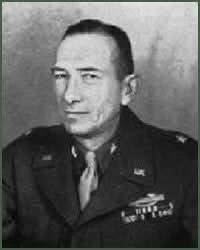
OTD 1950년 7월 29일 – 존 H. 처치(John H. Church) 소장이 제24보병사단장으로 취임하다.
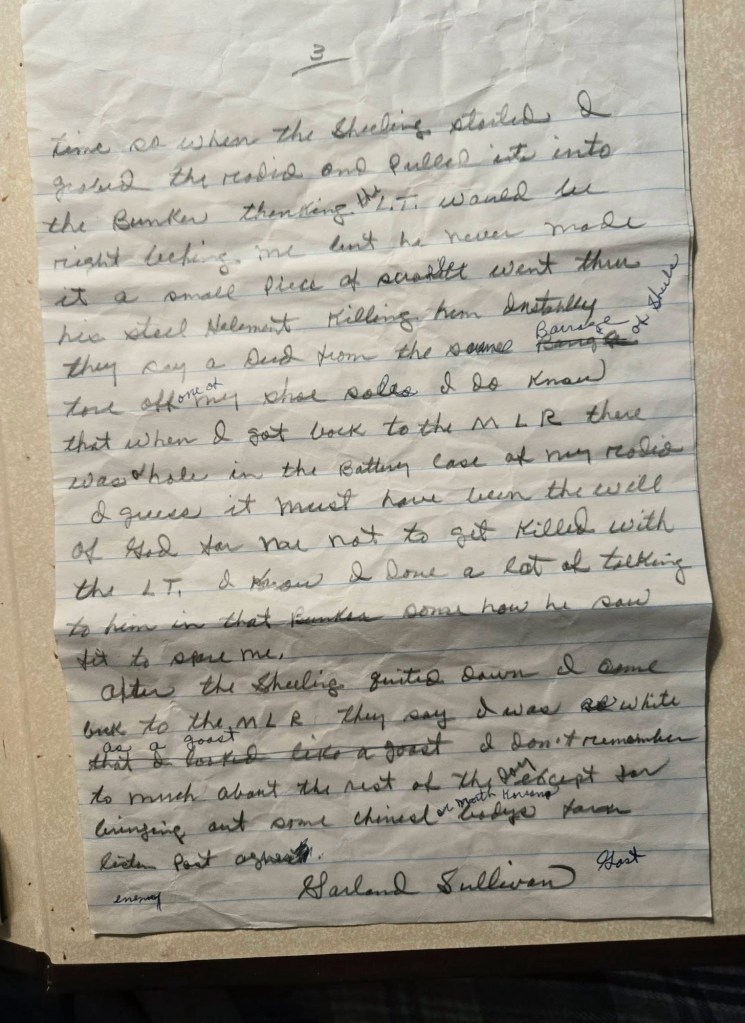
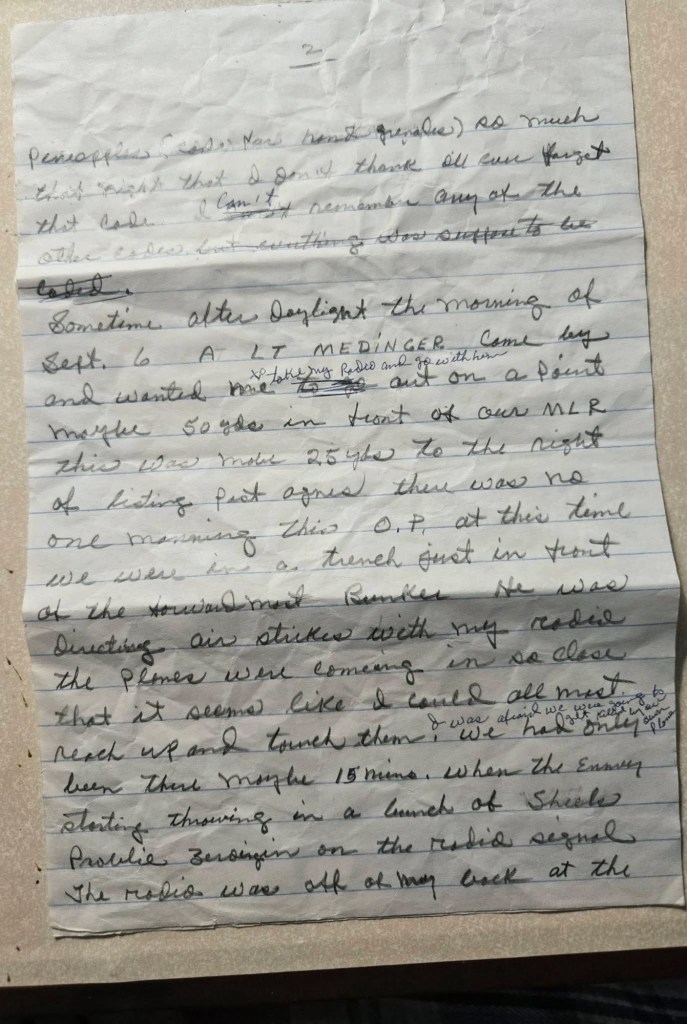
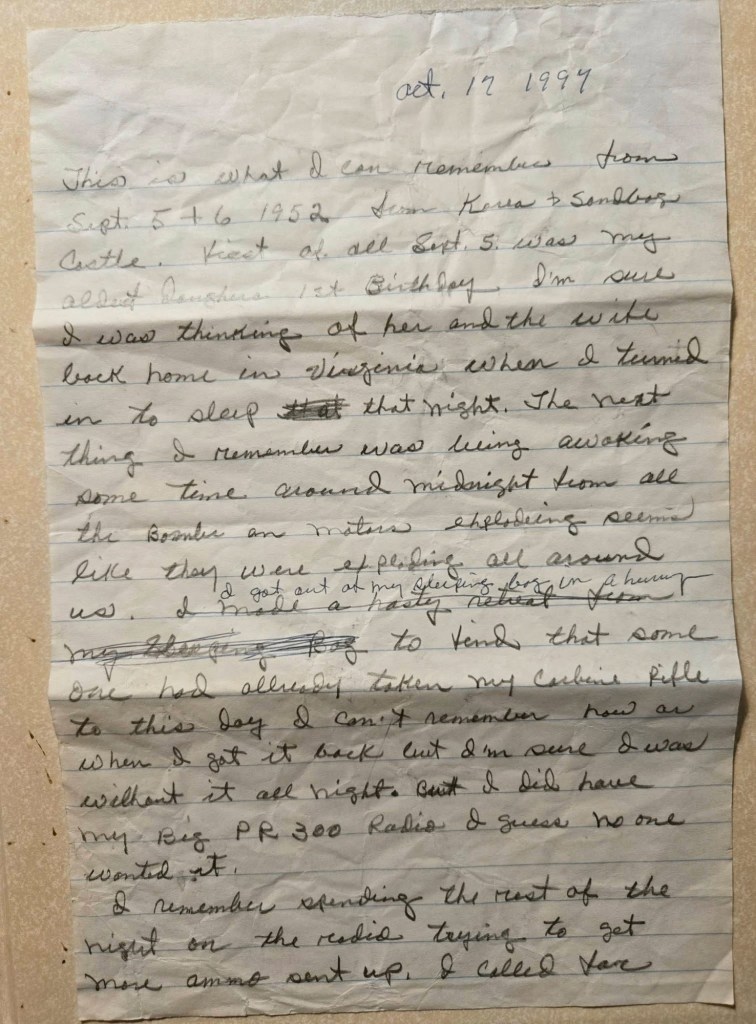
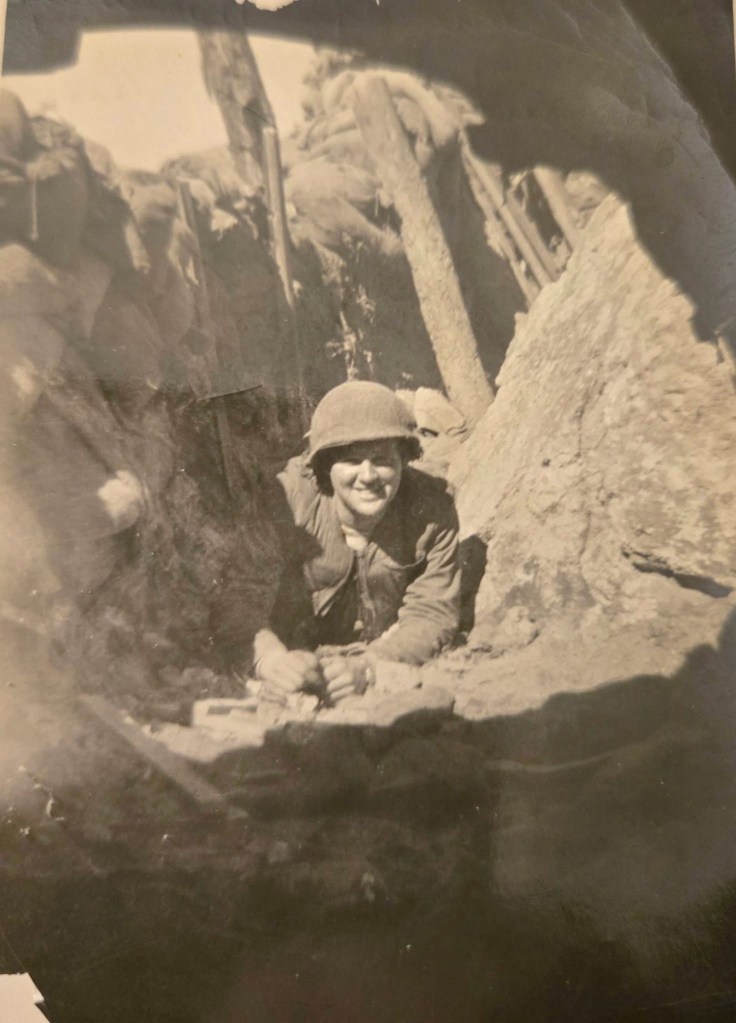
Garland Sullivan. This is on Sandbag Castle and he told me they were dodging a Chinese sniper when his buddy took this from the bunker. There is also a hand written account of the night he almost bought the farm. I hope it’s legible and you all enjoy it.
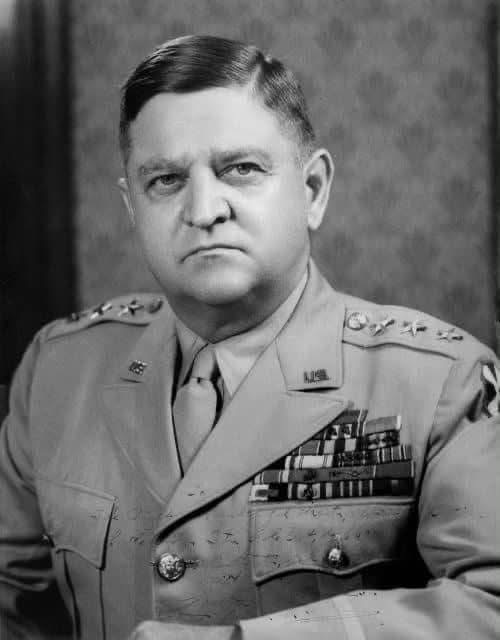
OTD 1950년 7월 29일 – 유엔군이 가로 100마일, 세로 50마일 규모의 ‘부산 교두보(Pusan Perimeter)’를 형성하던 당시, 월튼 워커(Walton Walker) 중장은 미 제8군을 향해 “덩케르크도, 바탄도 없을 것이다”라고 선언하며 논란을 낳은 “사수 아니면 죽음(stand or die)” 명령을 내렸습니다.
OTD 1951년 7월 29일 – 미 제40보병사단 제160연대 전투단이 일본 지가사키 해변에서 상륙 훈련을 실시하며 상륙 작전 훈련을 완료했습니다.
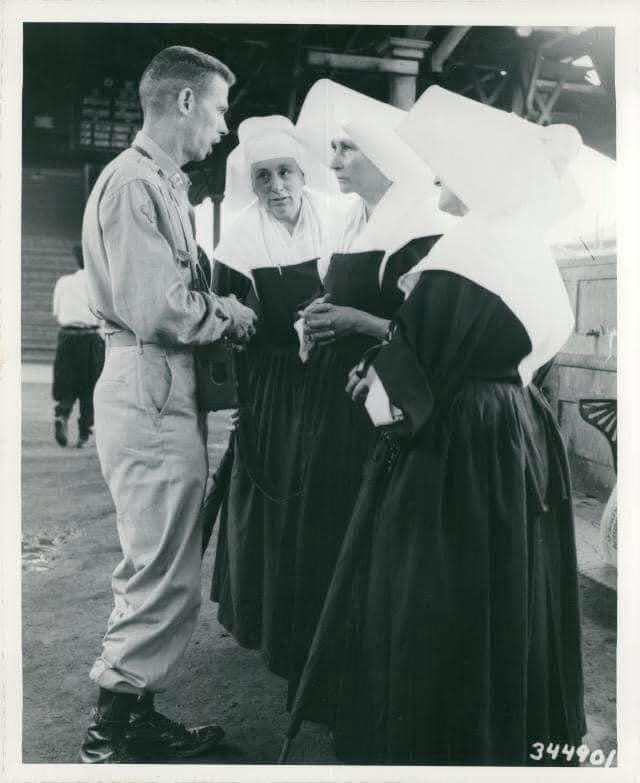
OTD 1950년 7월 29일 – 미 육군 대위가 기차역에서 수녀 세 명과 이야기를 나누고 있습니다. 장소는 한국 어딘가입니다(수녀들이 있는 것으로 보아 최전방과는 거리가 멀다는 것을 확실히 알 수 있고, 대위의 반짝이는 군화만 봐도 알 수 있죠). 1950년 7월 29일. (미 국방부 사진)
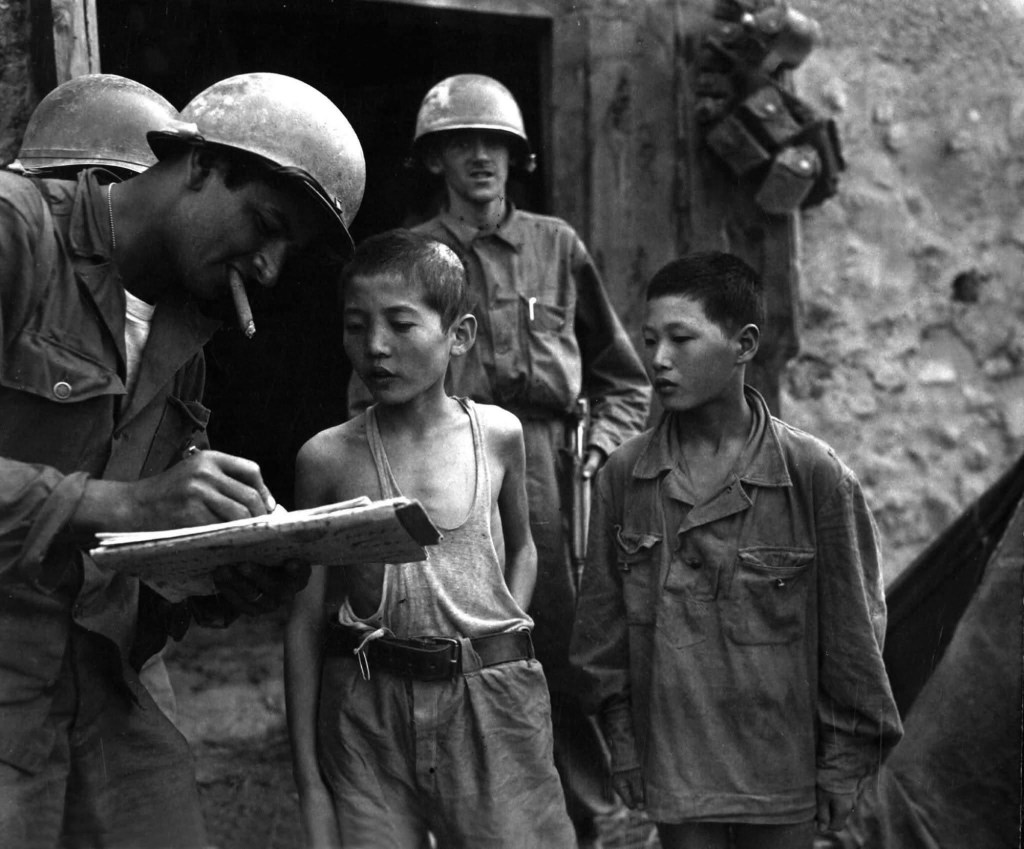
IF ANYONE HAS ADDITIONAL INFO ON THIS PHOTO, PLEASE SHARE IT. I had saved it my files with no file information. Thanks.
A candid documentary photograph of U.S. soldiers interacting with Korean civilian children during the Korean War, likely as part of refugee registration or civil affairs work, taken between 1950 and 1953.
이 사진에 대해 추가 정보가 있으신 분은 공유해 주시면 감사하겠습니다. 파일 정보 없이 저장해 두었던 사진입니다. 감사합니다.
1950년에서 1953년 사이 한국 전쟁 당시, 피난민 등록이나 민사 작전의 일환으로 추정되는 상황에서 미군 병사들이 한국 어린이들과 교류하는 모습을 담은 다큐멘터리풍의 사진입니다.
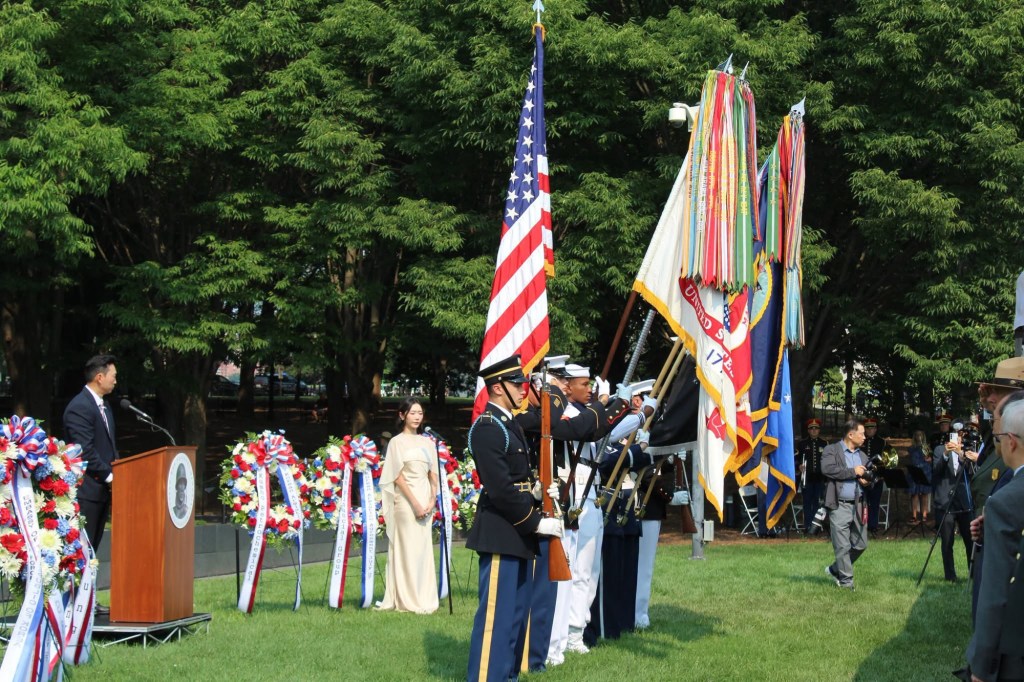
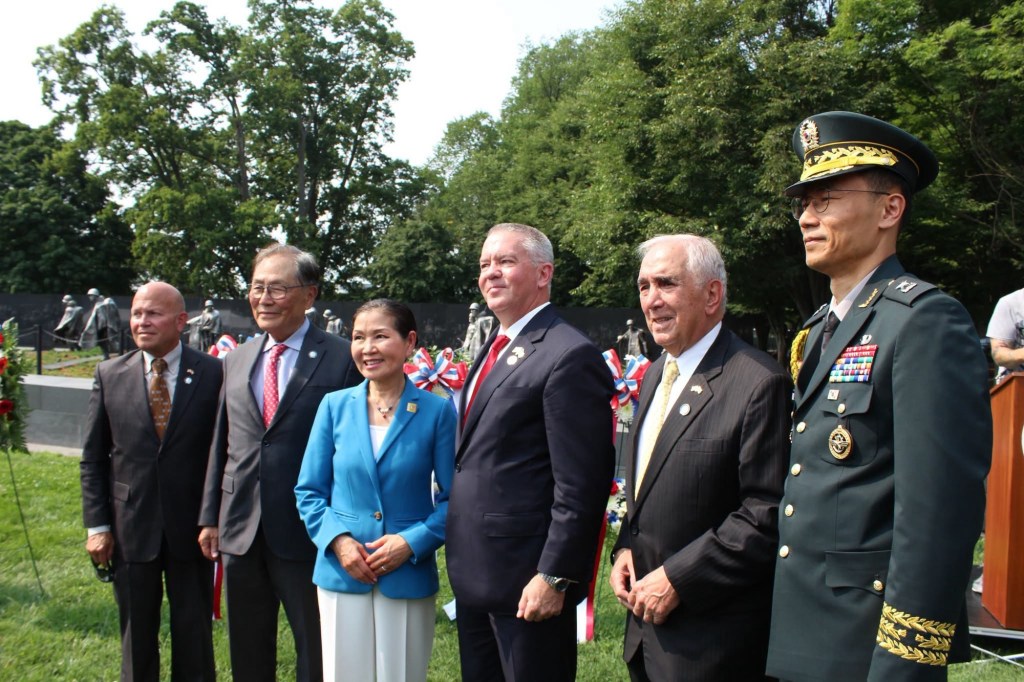
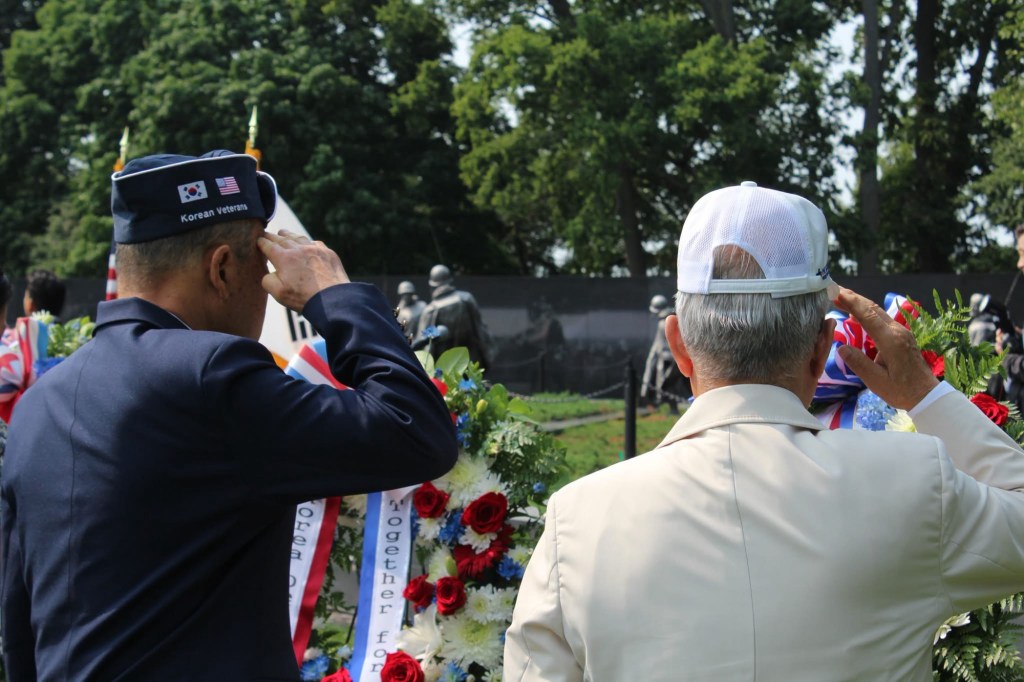
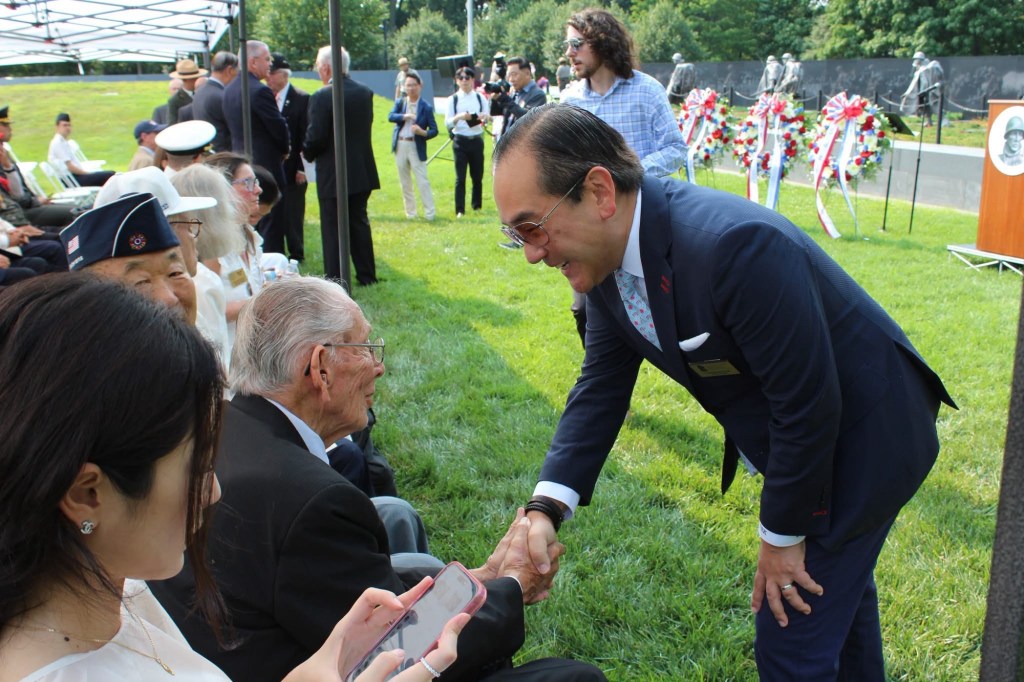
Korean War Veterans Memorial Foundation commemorates the 73rd anniversary of the signing of the Korean Armistice Agreement.
We gather at the Korean War Veterans Memorial to honor the courage, sacrifice, and enduring legacy of the brave service members from the United States and 21 other United Nations nations who served during the Korean War.
As we remember those who fought, those who gave their lives, those who remain missing, and the families who carried their sacrifice, we reaffirm a solemn promise: their service will never be forgotten.
Freedom Is Not Free.
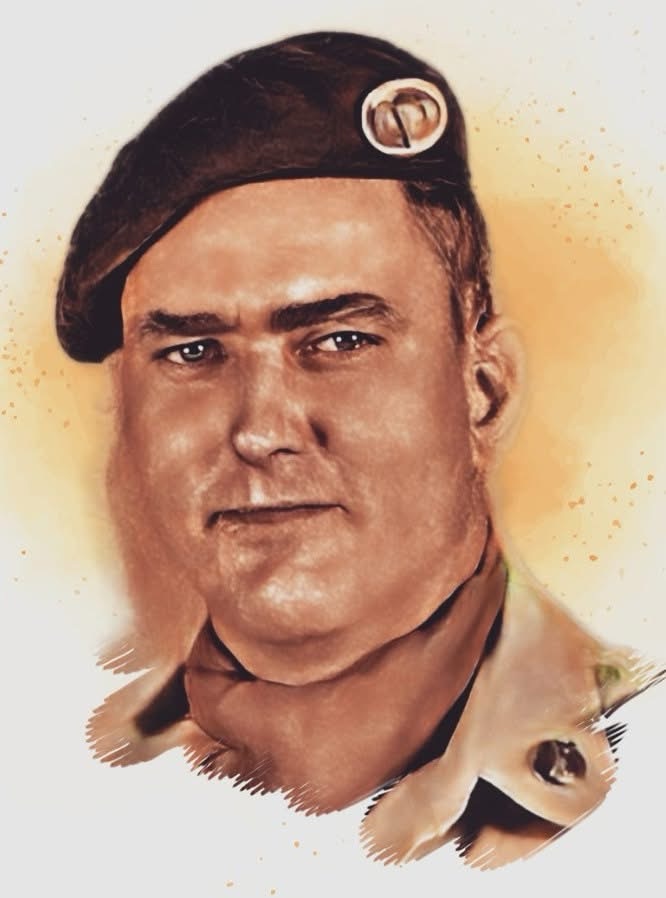
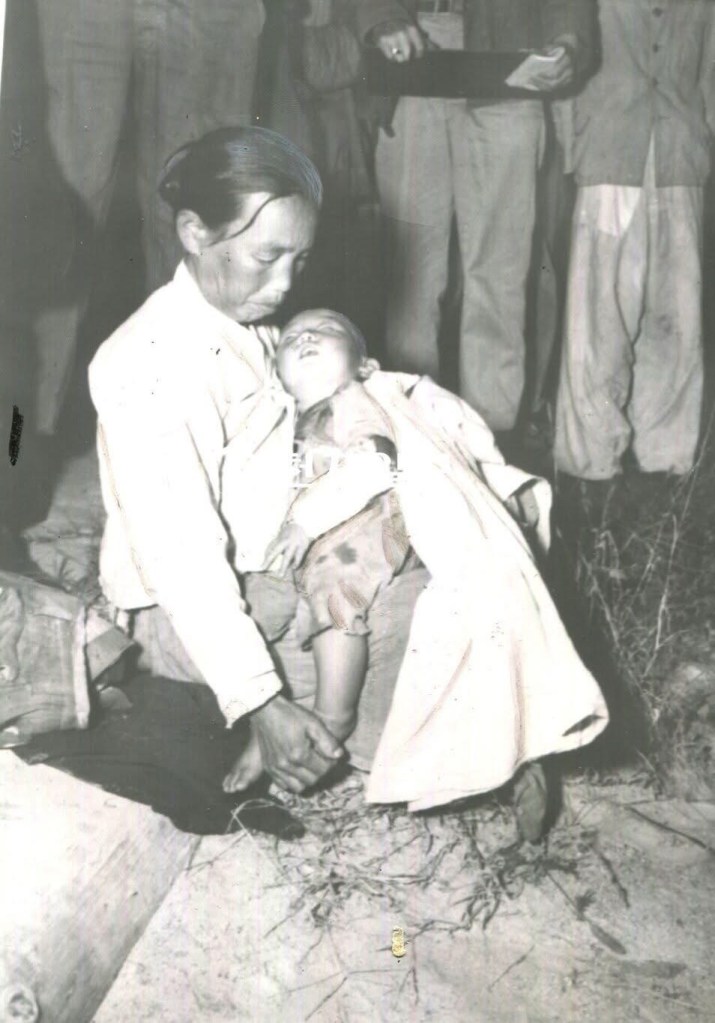
😢🙏This image captures the moment just before a child, shot in the arm while fleeing during the Korean War, breathes his last in his grandmother’s arms. The mother has already passed away, and although the grandmother holds her young grandchild, she is unable to do anything for him; the people standing behind them can only watch helplessly. The presence of grass on the ground indicates that this is a street, and while the faces of the people in the background are not visible, one can somewhat imagine the expressions on their faces at the time. The war correspondent left a note accompanying the photograph stating that the child met his death not long after. (Provided by: Jeong Seong-gil, Documentary Photography Researcher) June 25, 2023.
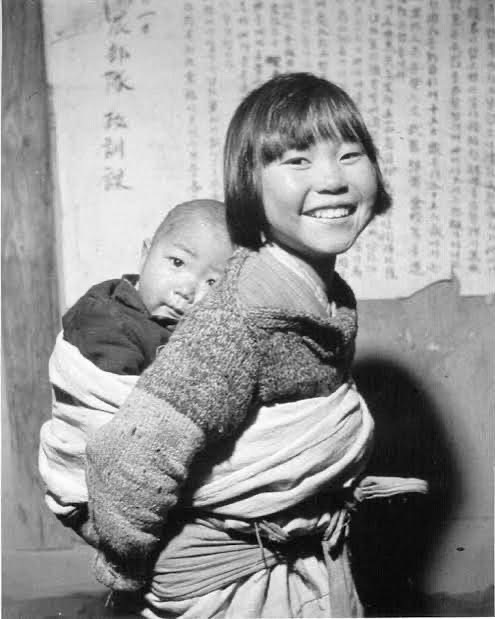
An older sister and a child. This is a glimpse of Korean society after the war. At that time, the older sister carried the younger sibling on her back and raised him entirely, taking the place of the parents.


You must be logged in to post a comment.