
The first Jewish people arrived in the settlement in the 18th century. Thus, in 1728, three Jewish families lived in Săpânța ( today Maramureș county, Romania), totaling 13 souls. By 1840, the Jewish population had grown significantly, reaching 291 people, which represented nearly 30% of the total population. The highest number was recorded in 1910, at 1,134 souls. During the last census before the deportations, in 1941, 920 Jews were living in Săpânța.
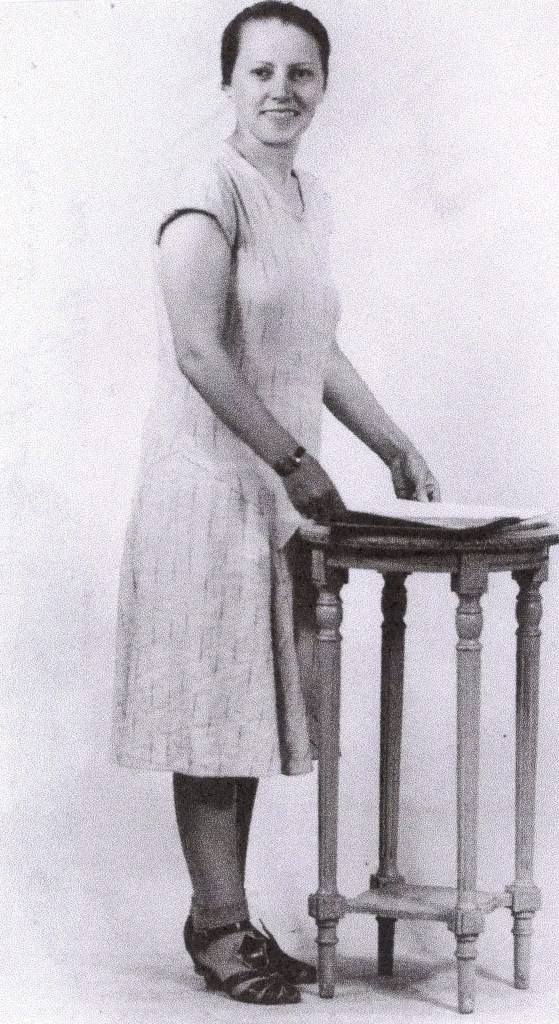

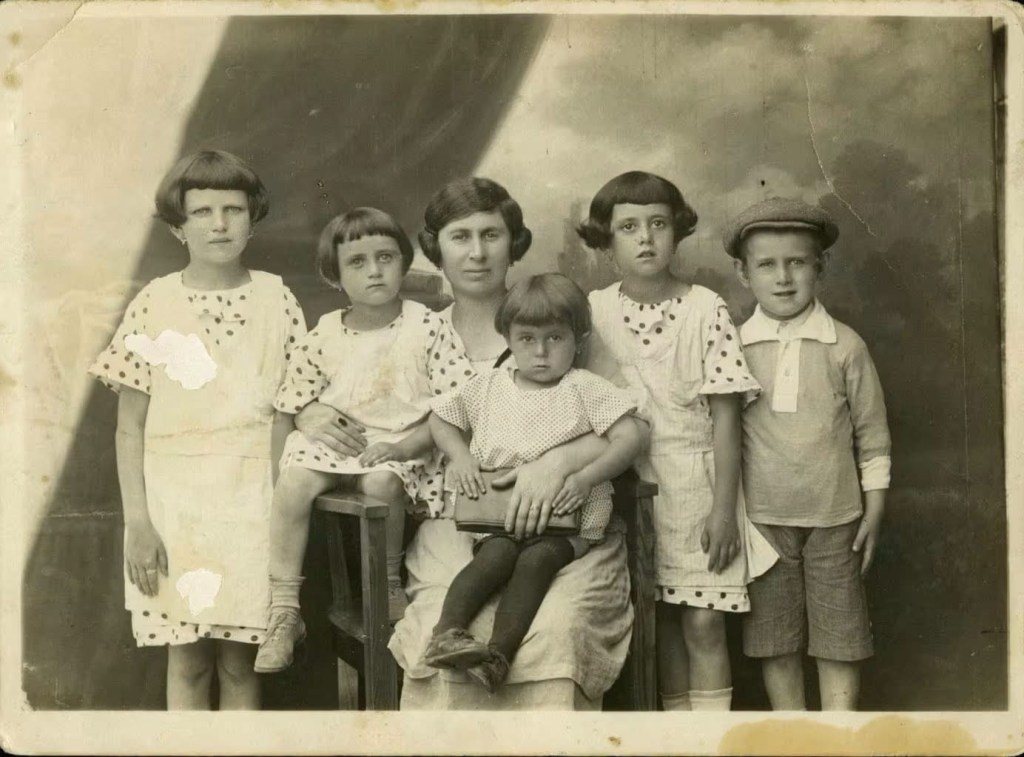

The Jewish community referred to the town as Spinka. The majority were farmers, forestry workers, or small merchants. There were also a few wealthy individuals – land- and forest owners, as well as traders in livestock, agricultural products, and timber.
The town’s first synagogue was built in the early 1800s. In 1870, Yosef Meir Weiss settled here; he was the founder of the influential Spinka Hasidic dynasty and one of the most prominent Hasidic rabbis of his time. Today, the center of the Spinka Hasidic movement is located in the city of Bnei Brak, Israel.
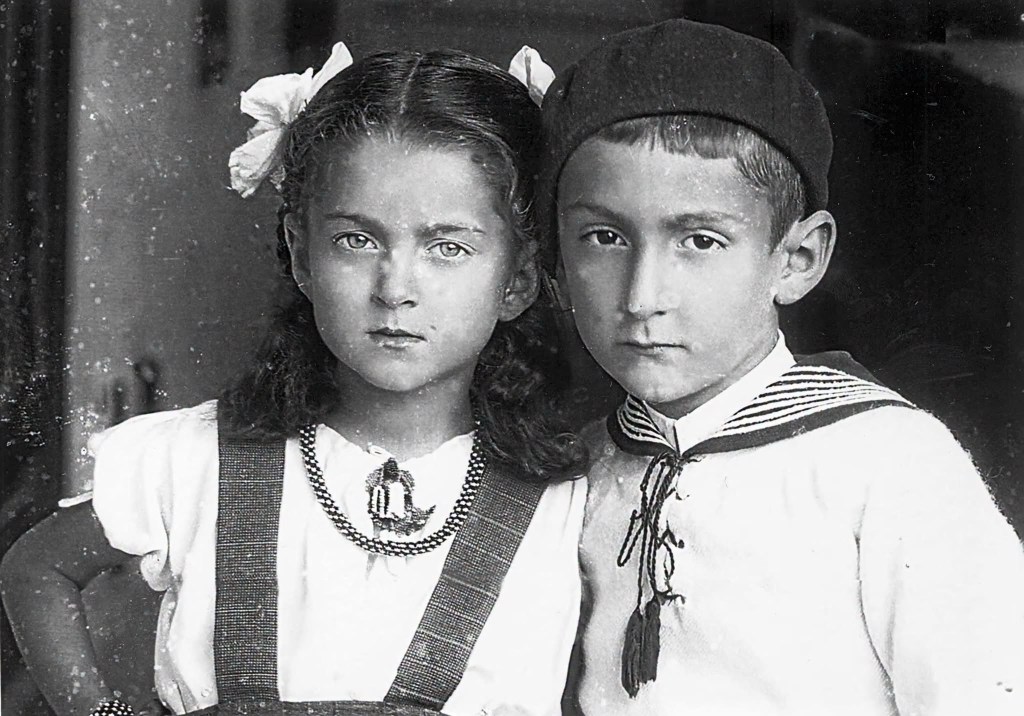
The last rabbi of the Săpânța community was Herman Tzvi Kahan, who was killed in the Holocaust.
At the end of April 1944, the Hungarian authorities gathered the members of the Jewish community into the town’s Grand Synagogue, from where they were later taken to the ghetto in Teceu Mare (today Ukraine). At the end of May, they were deported to the Auschwitz-Birkenau extermination camp.
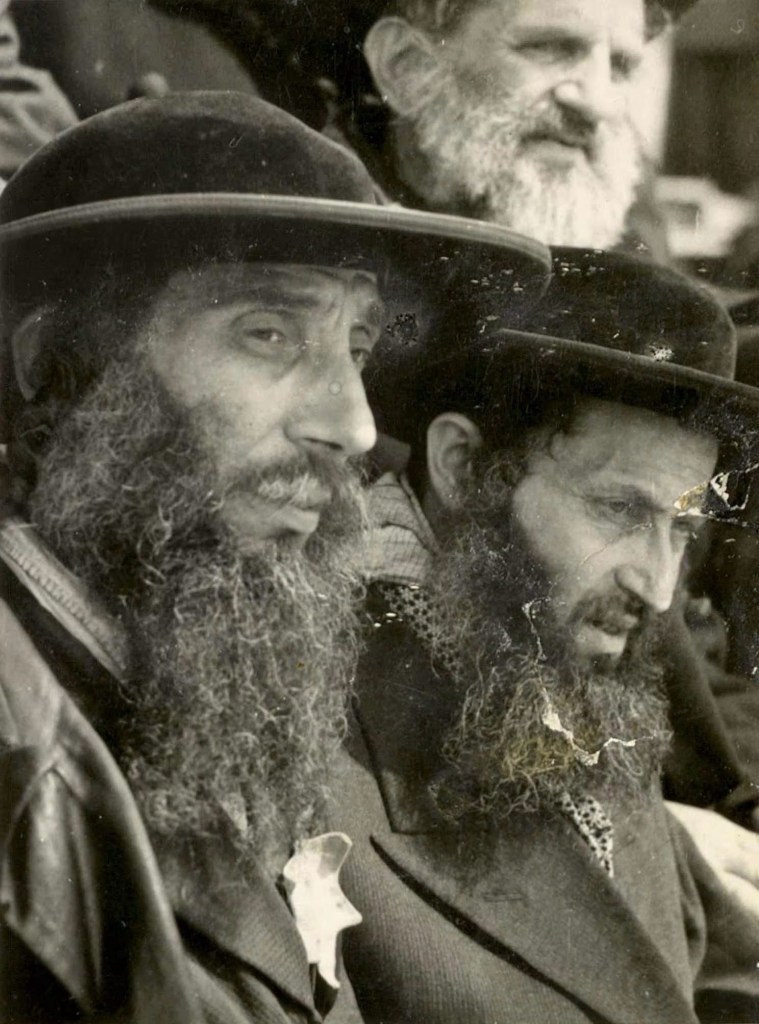
After the war, about 50 survivors returned to Săpânța. In the 1947 census, 130 Jews lived in the village, but the majority left the settlement shortly thereafter.
The remains of the first Spinka rabbi were later transferred to Israel and buried in Petah Tikva. Today, no Jews live in Săpânța.


You must be logged in to post a comment.