In late 1943, the Nazi SS established the Ebensee concentration camp near the town of Ebensee, Austria.
A subcamp of the Mauthausen concentration camp system, it was created to supply forced labor for a massive underground construction project.
Prisoners were compelled to carve vast tunnels into the surrounding mountains to protect armaments production from Allied bombing.
More than 27,000 men from over 20 countries—including political prisoners, Jewish prisoners, and Romani people—were imprisoned at Ebensee during the war.
Life inside the camp was marked by relentless forced labor, starvation, disease, and brutal abuse.
Prisoners worked long hours with little food, inadequate clothing, and almost no medical care.
As Germany’s military situation collapsed in early 1945, thousands more prisoners were transferred to Ebensee from evacuated concentration camps, causing severe overcrowding.
Disease spread rapidly, and death rates rose dramatically in the camp’s final months.
Survivor testimony and historical records describe conditions of extreme suffering as food supplies disappeared and the camp’s crematorium could no longer keep pace with the number of victims.
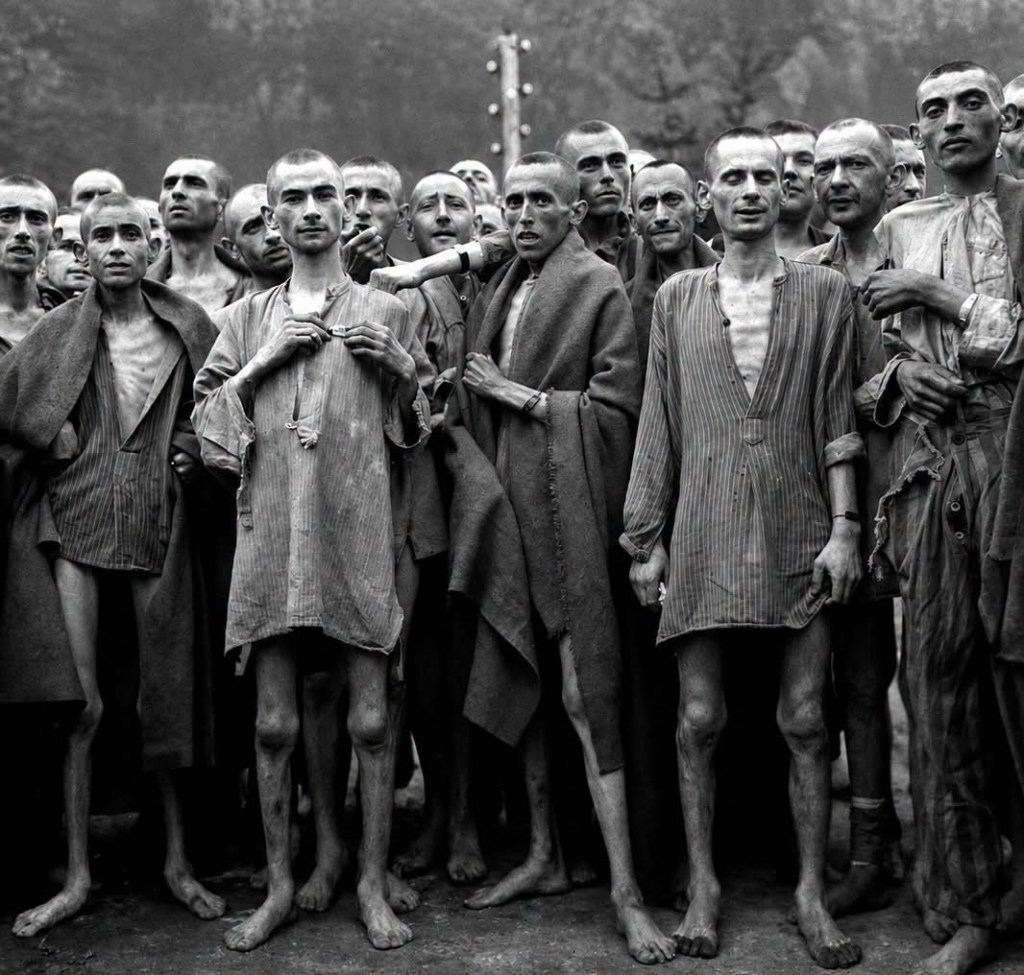
On May 6, 1945, soldiers of the U.S. 3rd Cavalry Reconnaissance Squadron liberated Ebensee.
They found thousands of emaciated survivors living in appalling conditions after months of starvation and disease.
Many prisoners greeted their liberators by singing their national anthems, while Jewish survivors sang “Hatikvah,” expressing hope after years of persecution.
Historians estimate that between 8,500 and 11,000 people died at Ebensee before liberation.
Today, memorials, the preserved tunnel complex, and the Museum for Contemporary History Ebensee stand as places of remembrance, honoring the victims and preserving the history of one of the final chapters of the Holocaust.


You must be logged in to post a comment.