Korean War Veterans Association and the Chosin Few Association honor the 73rd Anniversary of the Korean War Armistice !
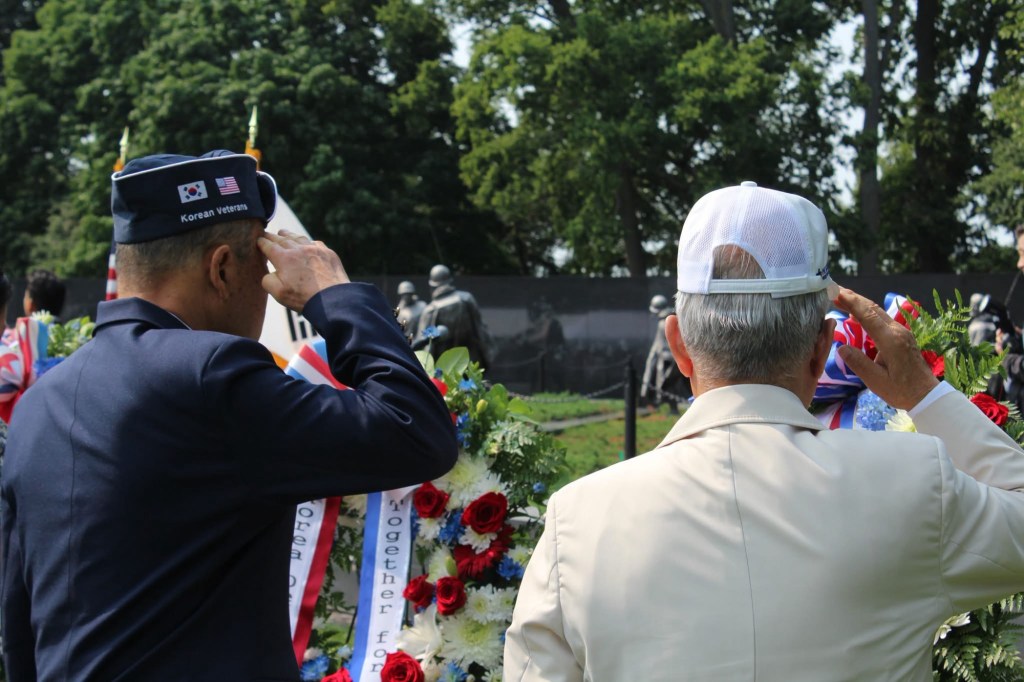
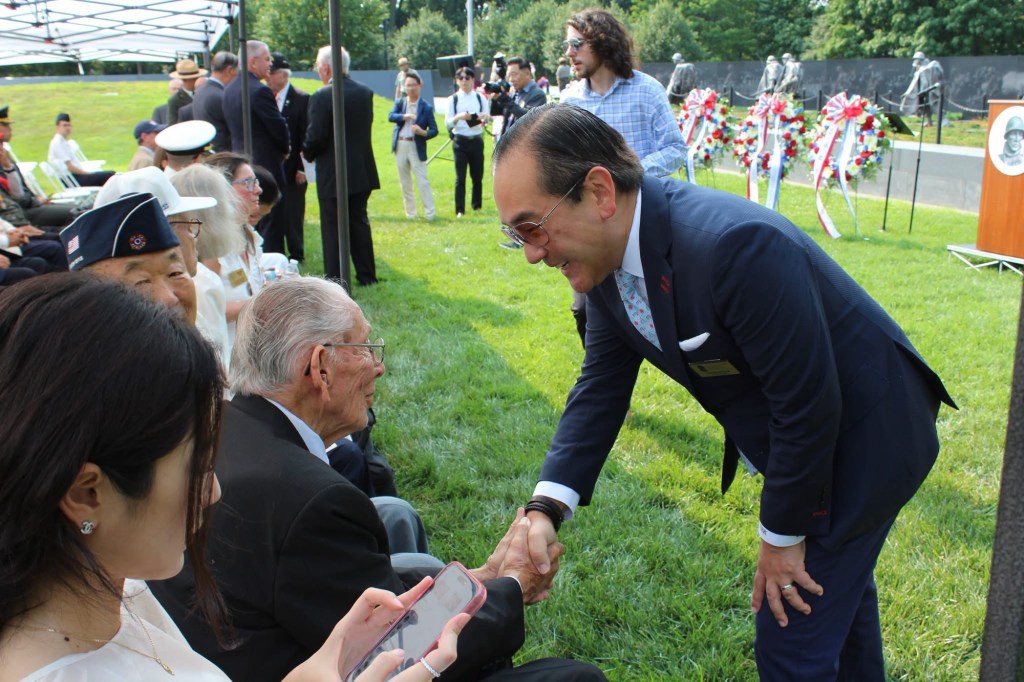
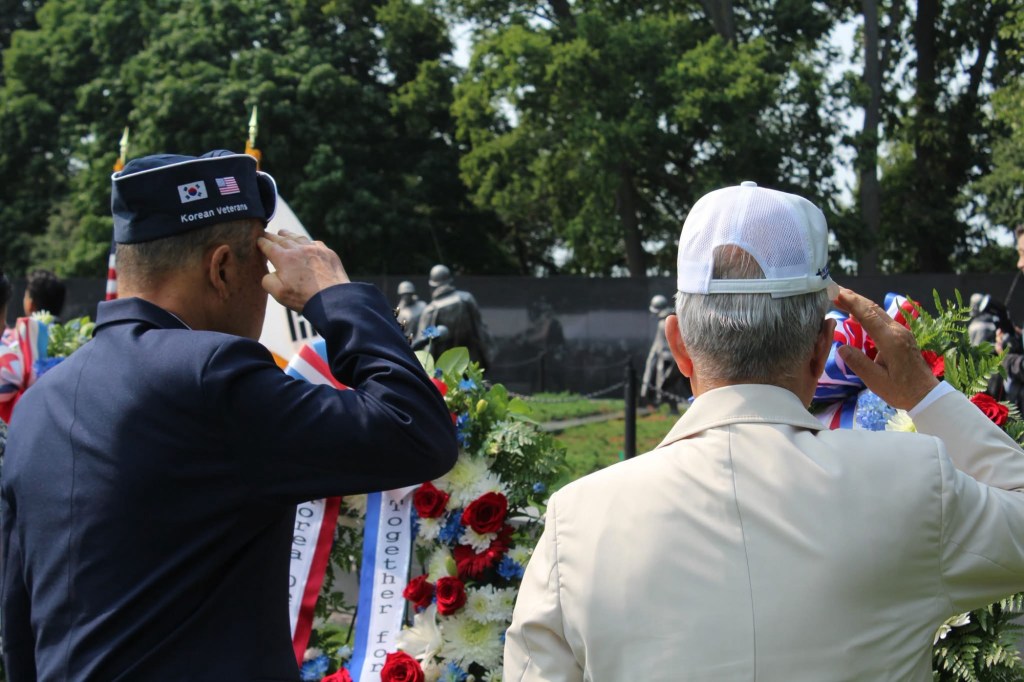
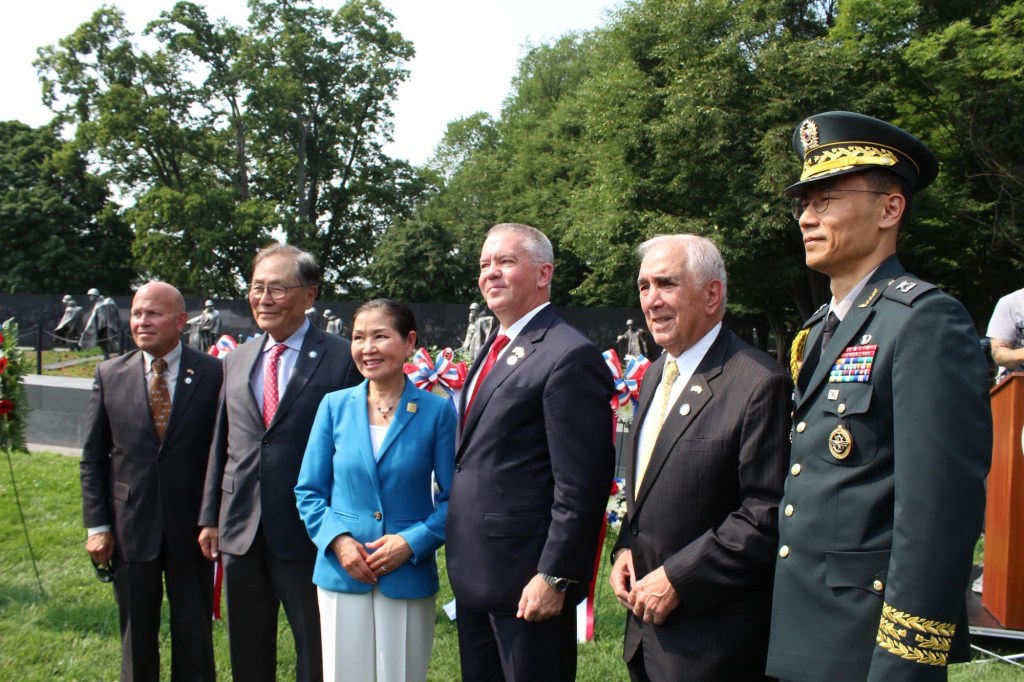
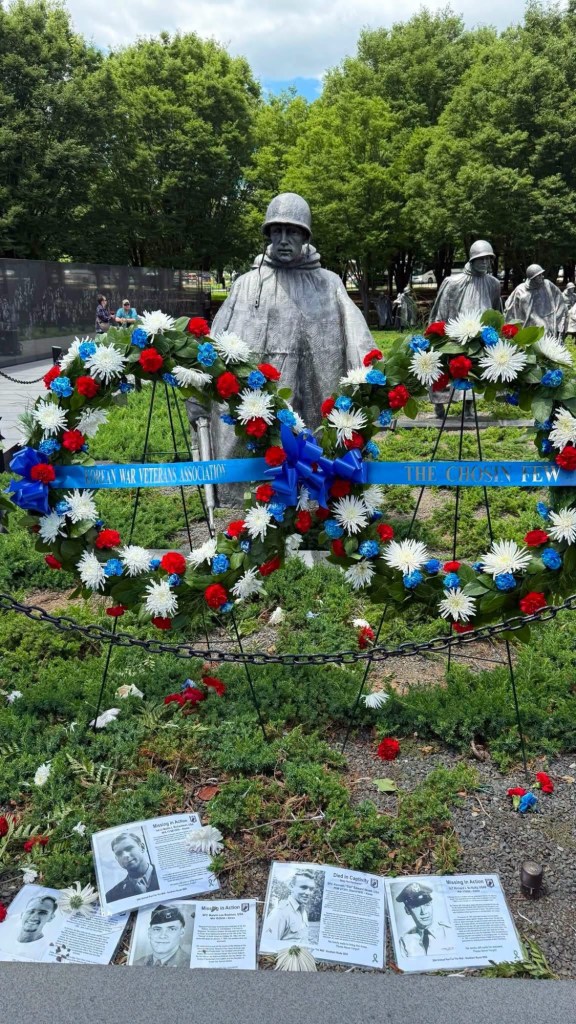
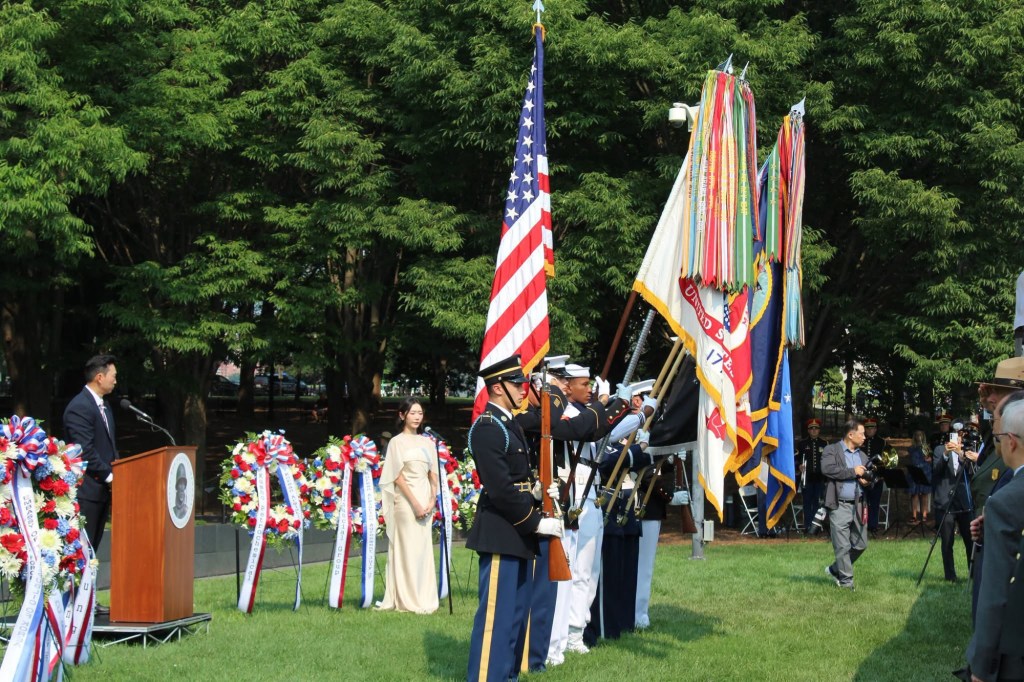
TODAY IS THE 73RD ANNIVERSARY OF THE KOREAN WAR ARMISTICE AGREEMENT- July 27, 1953
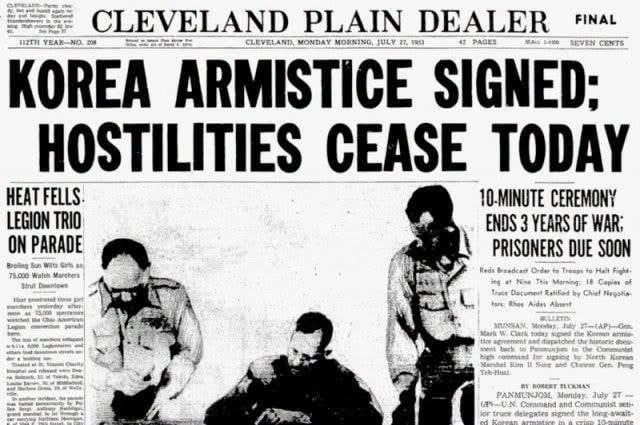
Today is the 73rd anniversary of the signing of the Korean War Armistice Agreement that put into effect a ceasefire to 3 year long Korean War. The ceasefire did not end the war since it was not a peace treaty. So, essentially, North and South Korea are still technically at war.
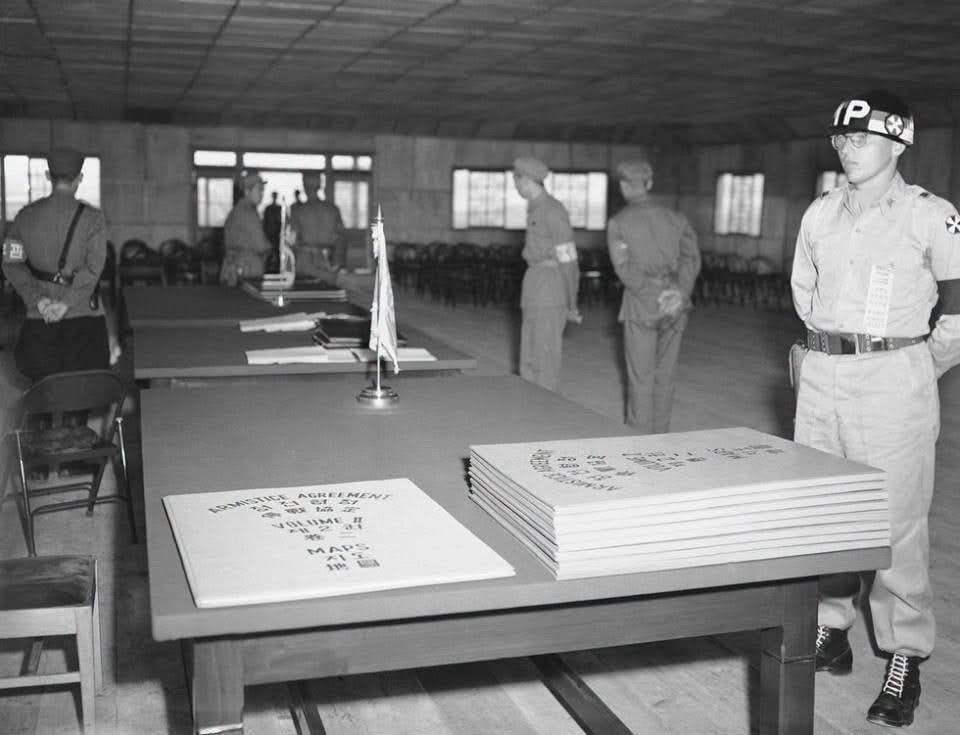
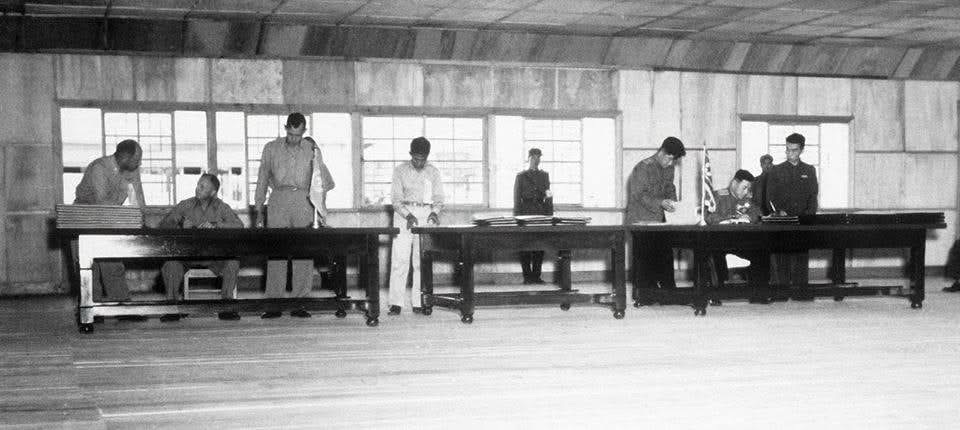
The Korean War Armistice Agreement was signed at 10 AM on the morning of July 27, 1953 at Panmunjom in Korea. But the ceasefire would not go into effect until 10 PM of July 27, 1953. This meant that fierce fighting would continue on the front lines for 12 more hours.
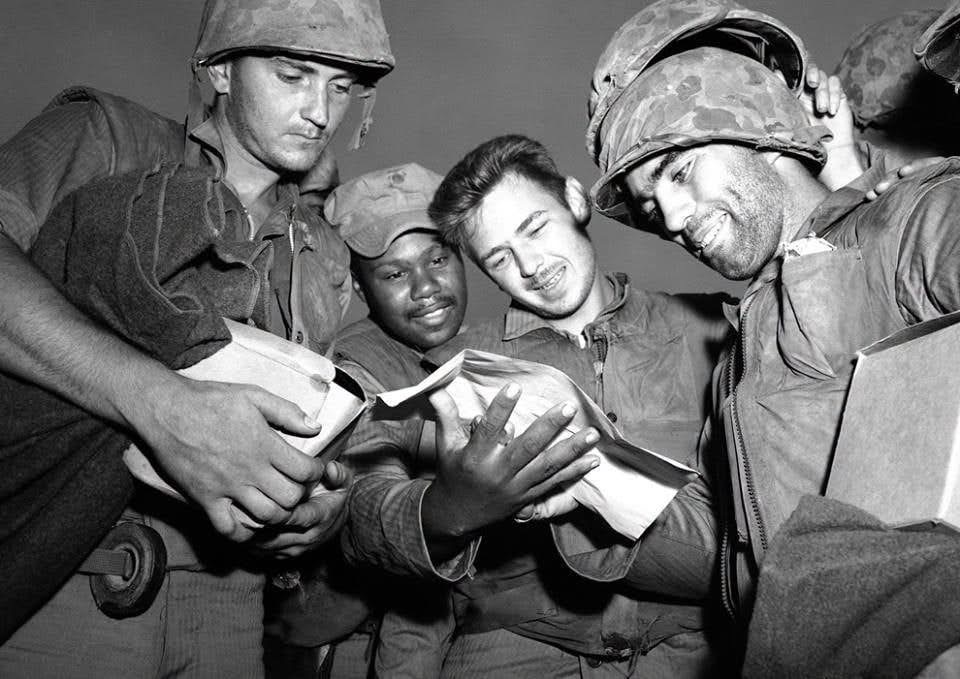
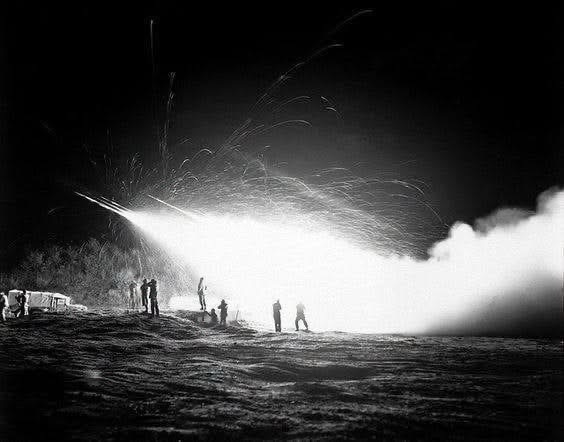
I interviewed many Korean War veterans who were on the front lines on that fateful last day of the Korean War. They recall that it was like no other day. Everything that could be fired was fired by both sides and there was tremendous amounts of artillery and mortars fired throughout the day and into the night. They recall that the night sky was lit up as bright as daylight. A Korean War veteran, told me, everything was being fired and “All hell broke loose!”
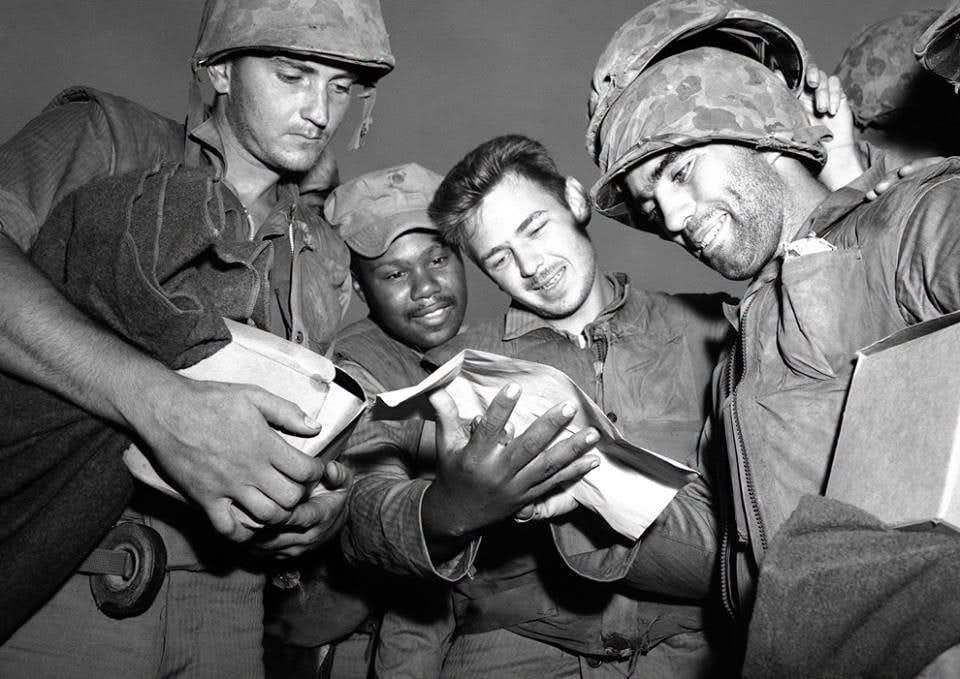
I also asked many veterans, what it was like right after 10 PM on July 27, 1953, when the ceasefire went into effect. They told me there was an abrupt and eerie silence.
Since the Armistice Agreement was not a peace treaty and merely a ceasefire, the Korean War technically never ended. The Korean War veterans described that for many days, weeks, and months following the ceasefire, there was a constant uneasiness and full state of alert. There was a sense that North Korea could start the war all over again. This feeling still exists today.
The Korean War started on June 25, 1950 and the ceasefire went into effect on July 23, 1953. There was an enormous sacrifice of lives to save South Korea. For the United States, over 36,000 Americans were killed and 8,000 still missing from the Korean War. America and 20 other United Nations sent troops and medical aid during the Korean War.
South Korea is the only country in world history, for which 21 countries came to defend and save. I believe that it was by God’s grace and by the great courage and sacrifice of all who served, that South Korea was saved.
All that South Korea has become is possible because of the sacrifices of all who served in the Korean War.
May God always bless all of our Korean War veterans, families of killed and missing in action, Korea Defense Veterans, and all active duty service members still serving in Korea today.
Millions of Koreans like me, living in freedom is the greatest legacy of all who served, and sacrificed to defend South Korea. Many generations of Koreans will live in freedom because of these heroes. We, Koreans are forever grateful to have been saved from the grips of North Korea’s communist regime.
I sincerely hope that Korea and all Koreans around the world, will never forget these great heroes and greatest defenders of our freedoms.
South Korea has risen from the ashes of war and continues to prosper in freedom and economic success as a testament and legacy of all who sacrificed to save South Korea and its people from communism.
Let us always honor and remember these heroes who made all this possible for South Korea and its people.
With everlasting gratitude, love, and respect to all who served and sacrificed their lives in the Korean War to save my family and the people of South Korea, Susan Kee – Honoring Korean War Veterans
BACKGROUND ON THE KOREAN WAR ARMISTICE AGREEMENT:
(excerpt from wikipedia)
“The Korean Armistice Agreement was signed by U.S. Army Lieutenant General William Harrison, Jr. representing the United Nations Command (UNC), North Korean General Nam Il representing the Korean People’s Army, and the Chinese People’s Volunteer Army.The armistice was signed on July 27, 1953, and was designed to “insure a complete cessation of hostilities and of all acts of armed force in Korea until a final peaceful settlement is achieved. No “final peaceful settlement” has been achieved yet. The signed armistice established the Korean Demilitarized Zone (de facto a new border between the two nations), put into force a cease-fire, and finalized repatriation of prisoners of war. The Demilitarized Zone runs not far from the 38th parallel, which separated North and South Korea before the war.
The signed armistice established a “complete cessation of all hostilities in Korea by all armed force” that was to be enforced by the commanders of both sides. Essentially a complete cease-fire was put into force. The armistice is however only a cease-fire between military forces, rather than an agreement between governments. No peace treaty was signed which means that the Korean War has not officially ended.
The armistice also established the Korean Demilitarized Zone (DMZ). The DMZ was decided to be a 2.5-mile (4.0 km)-wide fortified buffer zone between the two Korean nations. The Demilitarized Zone follows the Kansas Line where the two sides actually confronted each other at the time of the signed armistice. The DMZ is currently the most heavily defended national border in the world.” (source: wikipedia)


You must be logged in to post a comment.