
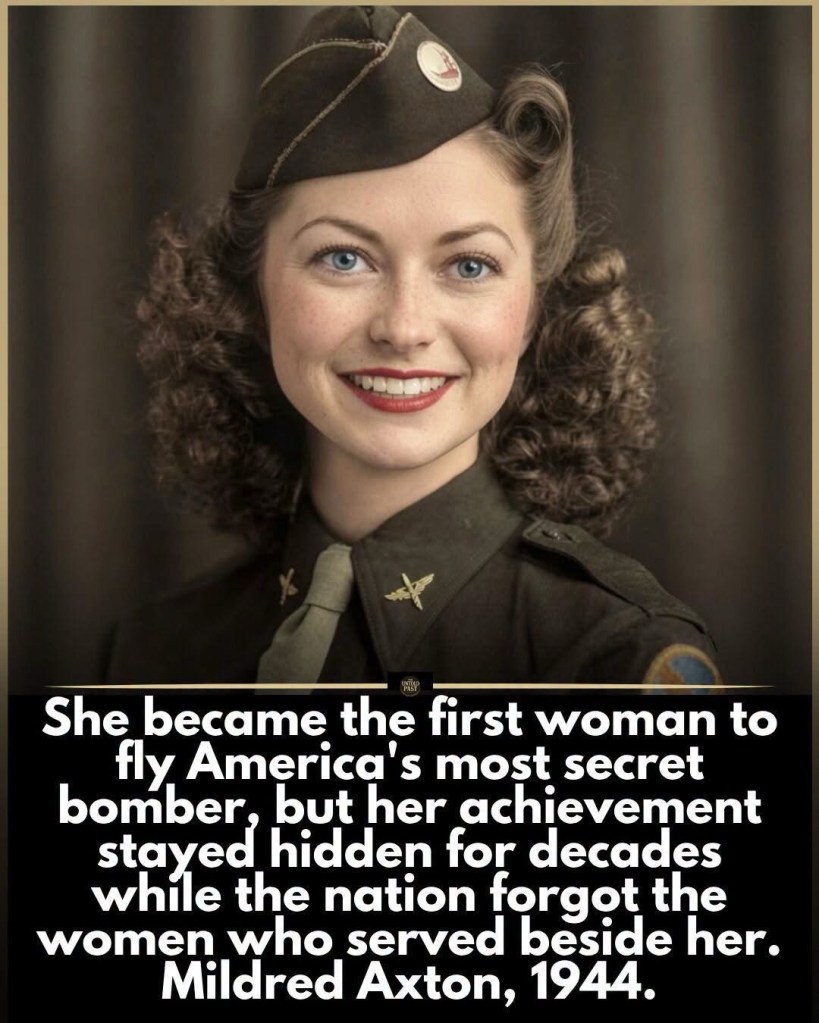
On May 4, 1944, 25-year-old Mildred “Micky” Axton climbed into one of the most secret aircraft in America. Minutes later, she became the first woman to fly the B-29 Superfortress, the largest and most advanced bomber of its time. Almost no one was allowed to know it happened.
The B-29 was one of the most closely guarded military projects of World War II. Even many people working around the program knew very little about it. Flying one required exceptional skill, and Micky wasn’t expected to be in its cockpit.
She had joined the Women Airforce Service Pilots, better known as the WASPs, in 1943. These women ferried military aircraft, tested newly built planes, and completed dangerous assignments that freed male pilots for overseas duty. The work was demanding, and 38 WASPs lost their lives during the program. Yet they served without military status or the benefits given to other service members.
Just weeks after joining Boeing as a test pilot in Wichita, Micky boarded Sweet Sixteen, the sixteenth B-29 ever built. During the flight, the chief engineer offered her something no woman had done before.
“How’d you like to fly this thing?”
She crawled through a narrow pressurized tunnel above the open bomb bay, reached the cockpit, and took the controls. For the next 20 minutes, she flew the massive bomber, proving she had the skill to master one of the most powerful aircraft ever built.
When she landed, she wanted to tell everyone. She couldn’t. The entire mission was classified, and she shared the secret only with her husband.
The recognition she deserved came much later. The WASPs were disbanded in 1944 without veteran status, and for 33 years their service was largely overlooked. Congress finally recognized them as veterans in 1977, and in 2009 they received the Congressional Gold Medal.
Mildred Axton helped make history in silence. America remembered her achievement only after decades had passed.
Story based on historical records. This post is for educational purposes.

