Looking for family ..
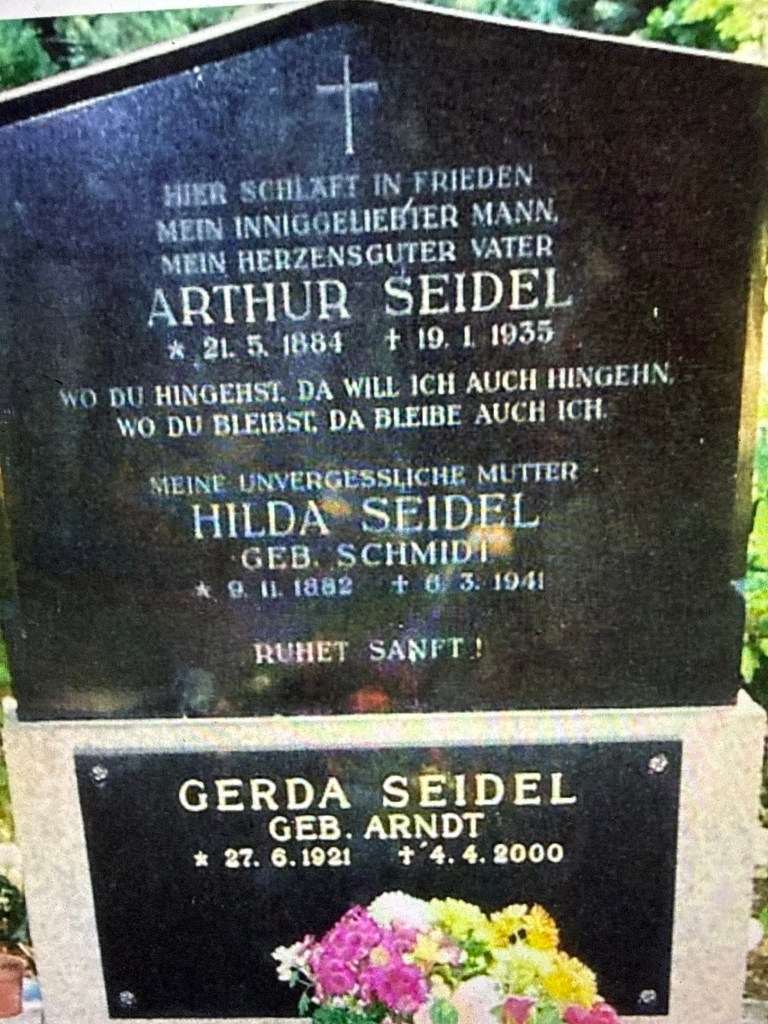
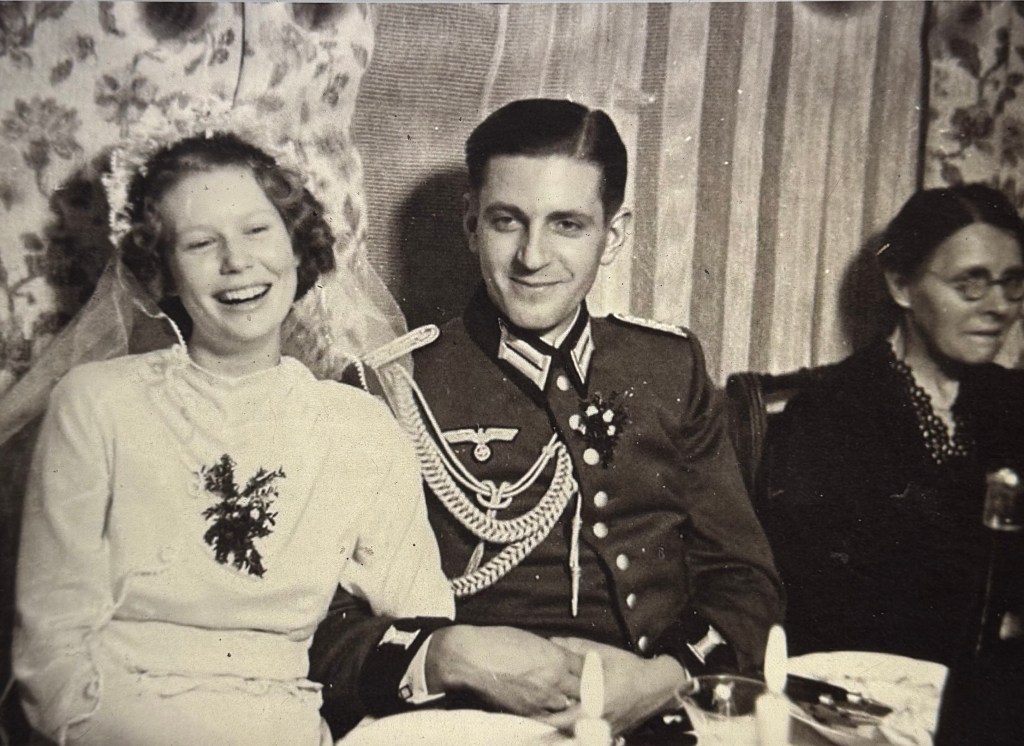
On the left is Gerda ( born Arndt ) with her husband, my grandfather Erich Seidel … Martha Hilda Schmidt .. his mother on the right …

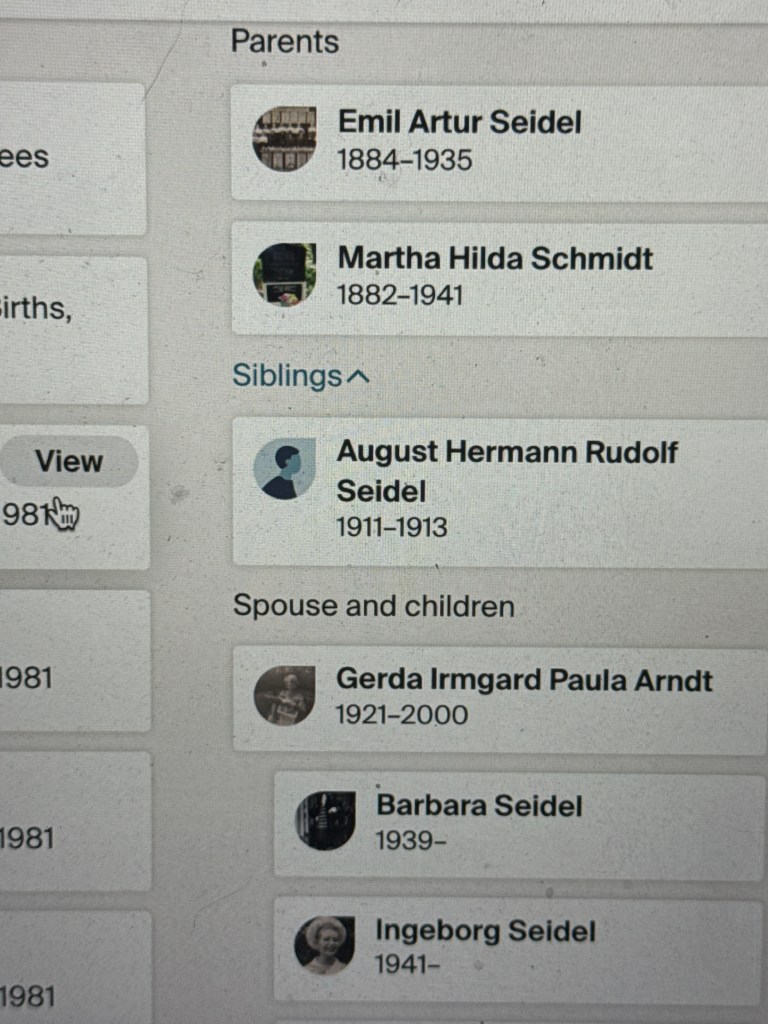
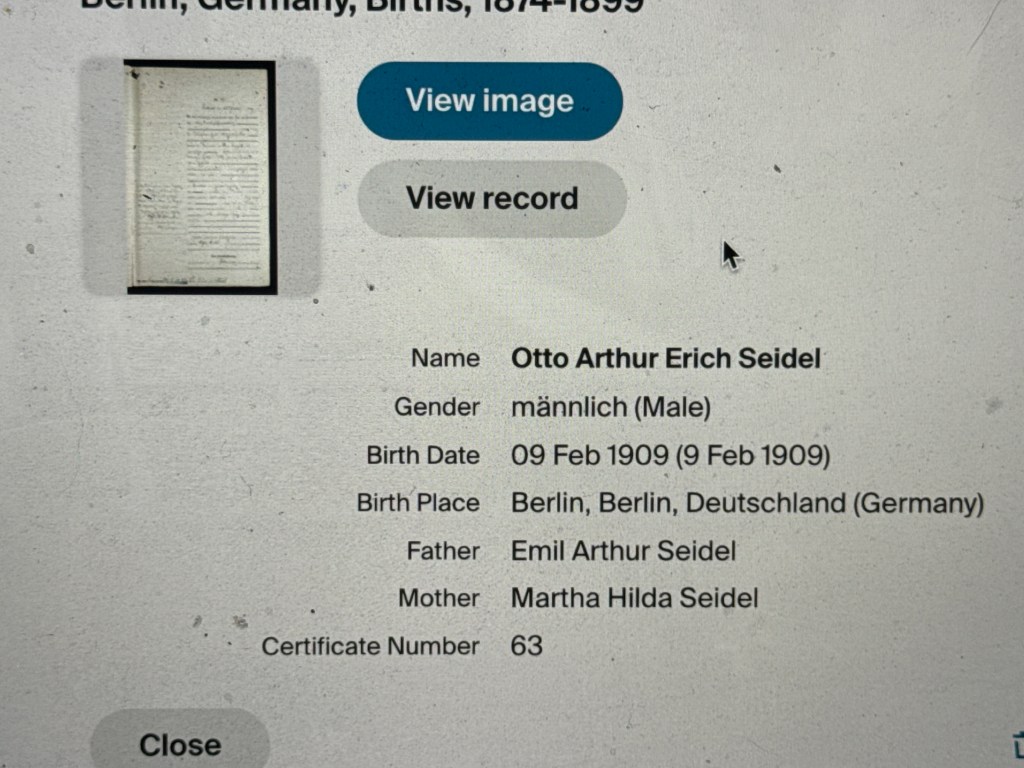
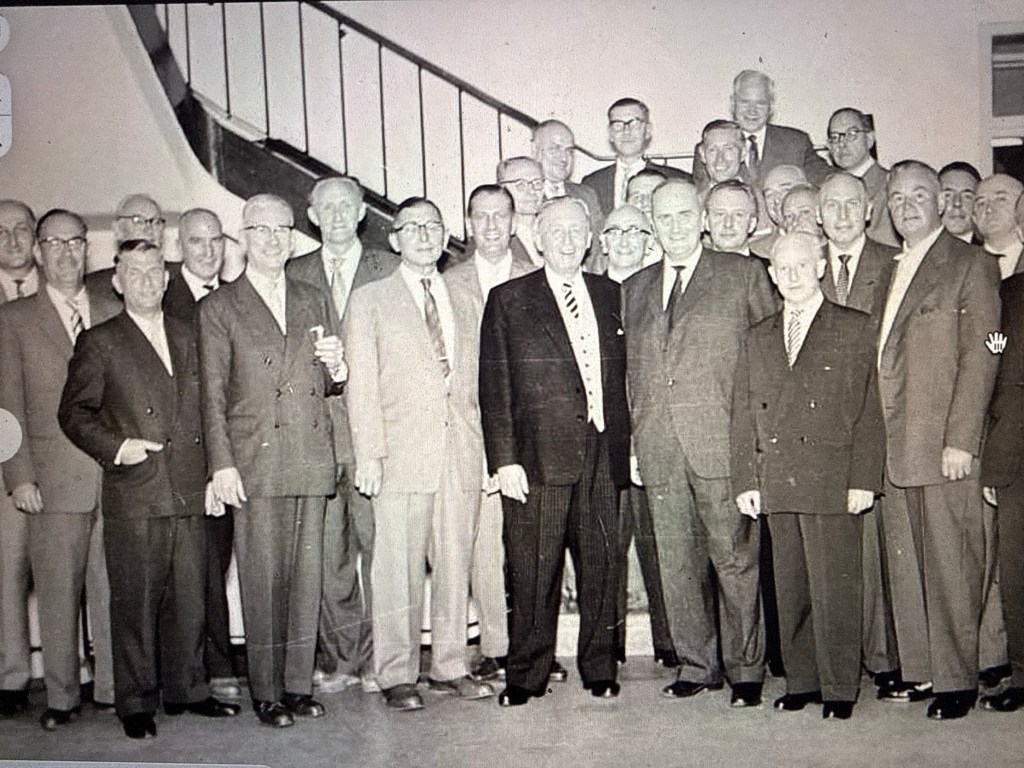
He was an architeckt in Berlin
This is the only photo of his father that I have
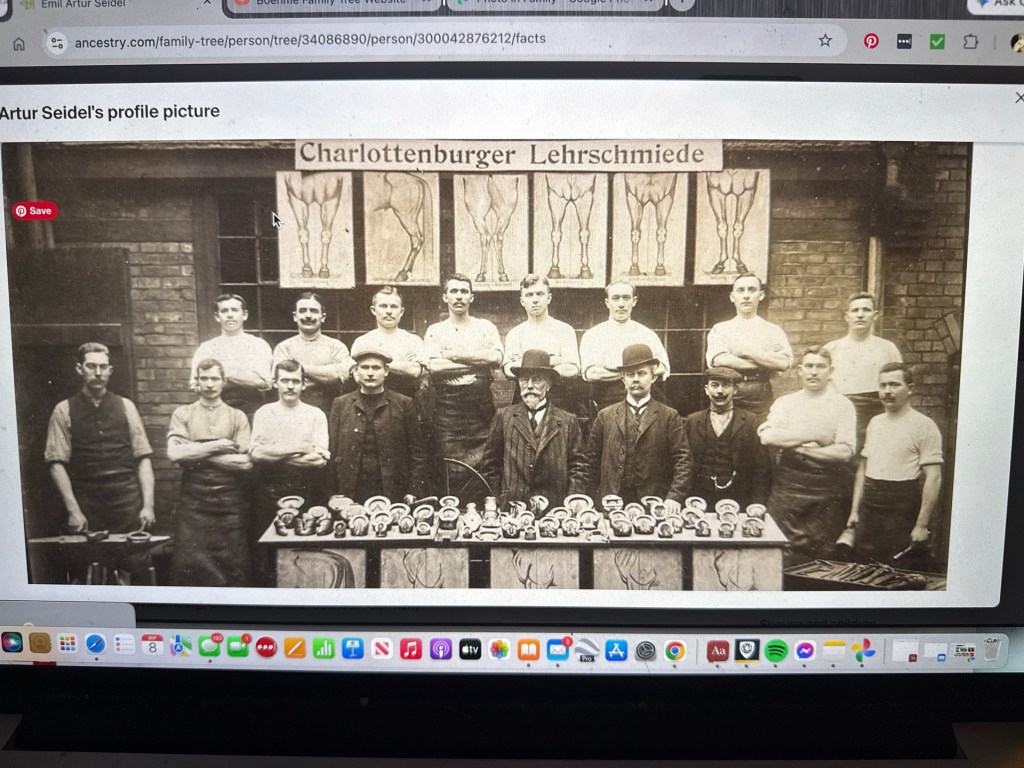
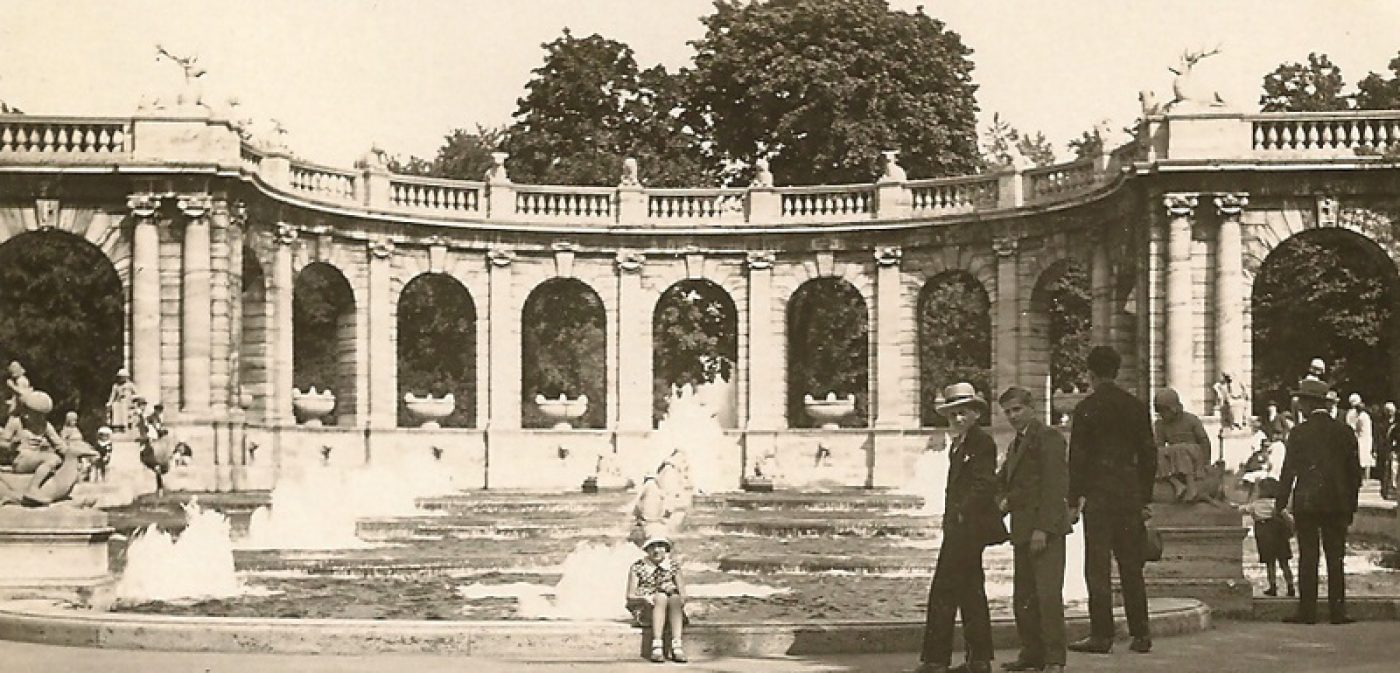
Helping others getting to know there roots.. family .. and tradition as well as my own… welcome!
Looking for family ..
On the left is Gerda ( born Arndt ) with her husband, my grandfather Erich Seidel … Martha Hilda Schmidt .. his mother on the right …

He was an architeckt in Berlin
This is the only photo of his father that I have
Working on my family tree I just turned the TV on while making coffee this morning. My family comes from West Berlin, so to say my family comes from Berlin in general, but when the Berlin wall went up, it was divided east to west… and our family was divided like so many others..
I don’t know if it was God or what or should I say? I know that it was him because why else would I turn the TV on and they start talking about East Berlin..
Looking for the Arndt Family .. Does anybody else recognize anybody in the photo ??? Trying to find more information on the Arndt Faniky … this is a photo post card …
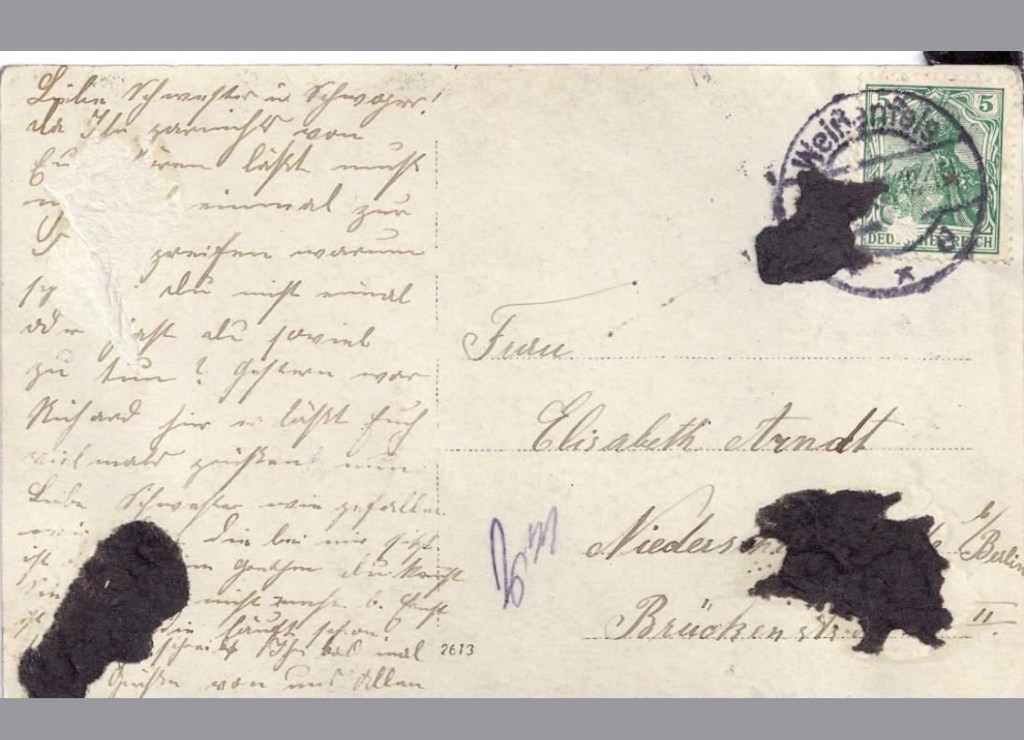
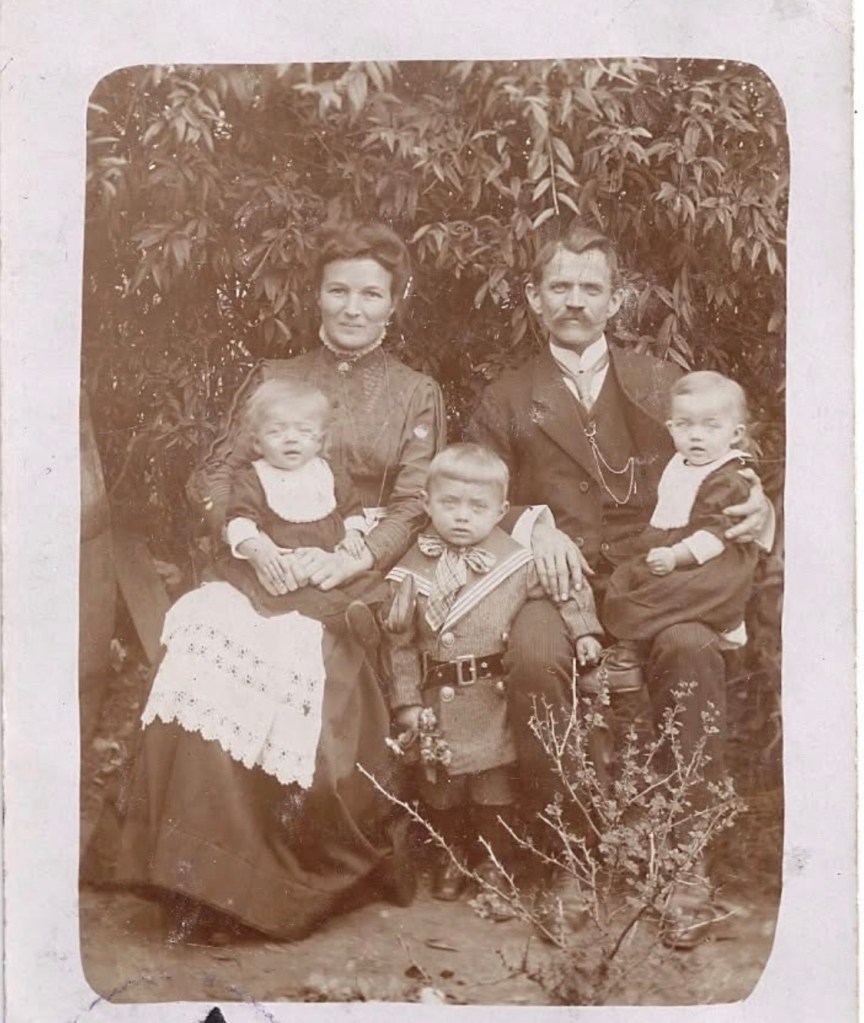
Arndt/henning family
Mrs. Elisabeth Arndt, lives in Niederschlagsrade or niederschoneweide Berlin, Brueckenstr. 11. but that’s all i can make out!.. can anyone help out.
Thinking of all those people who tried to cross the border, including probably my family as well as I come from Berlin Germany we had family in the Eastern family in the west..

On This Day: The First Person Shot at the Berlin Wall
On August 24, 1961—just 11 days after East Germany sealed the border—24-year-old Günter Litfin attempted to escape from East to West Berlin.
Litfin made his way through the grounds near the Charité and jumped into the Humboldthafen, hoping to swim the final stretch to West Berlin. East German transport police spotted him, fired warning shots, and then opened fire as he continued swimming.
He was struck in the back of the head, only a short distance from the West Berlin shore. Hundreds of West Berliners gathered on the opposite bank as his body was recovered several hours later.
Günter Litfin became the first person to be deliberately shot and killed while attempting to escape across the Berlin Wall—a grim indication of how far the East German regime was prepared to go to stop people from leaving.
One thing I miss about not living in Germany is something for my childhood in America. They have hotdog stands while in Germany they sell bratwurst and then they have a stand for Currywurst .. usually called an Imbiss …
Where did you have your first Currywurst.. me it was on Heidelbergerstrasse or Wiesbadener in Wilmersdorf Berlin … that time “ Berlin West” …

We would take the train to see my family in East Berlin and at the time bring fruit for them and things they couldn’t get in the east…

👉She was 26. Whitney Houston was 13. The song didn’t exist yet.
In 1975, Linda Creed was already behind some of the biggest soul records in America — and nobody outside the industry knew her name.
Betcha By Golly Wow. You Make Me Feel Brand New. Rubberband Man. Tens of millions of records sold. Her words. Other people’s faces on the cover.
Then the doctors found the cancer.
And she kept writing anyway.
December 6, 1948. Mount Airy, Philadelphia.
Linda Diane Creed grew up in a house where music was not a luxury — it was the air.
She was active in music at Germantown High School. By her teens, she was already fronting her own band, Raw Soul, playing the Philadelphia Athletic Club on weekends.
After graduation, she left for New York. Got a job as a secretary at Mills Music. Spent 8 months trying to get noticed as a lyricist.
Nobody noticed.
She came home to Philadelphia — defeated.
Then she met Thom Bell.
Philadelphia International Records.
Thom Bell made the music. Linda wrote the words. Together they became one of the most successful songwriting partnerships in soul music history.
Their first collaboration — “Stop, Look, Listen (To Your Heart)” for The Stylistics — went Top 40 in 1971.
Then came Betcha By Golly Wow. You Are Everything. Break Up to Make Up. You Make Me Feel Brand New.
In 4 and a half years, they had written over 20 platinum and gold singles and albums.
Linda was 23 years old.
She had earned half a million dollars in royalties.
Nobody outside Philadelphia knew her name.
In 1976, Linda Creed asked to become an equal partner in the publishing company that was profiting from her songs.
She was told no.
She walked away from Philadelphia International Records. Moved to the West Coast. Started over.
That same year, she went to the doctor about exhaustion and pain that wouldn’t stop.
The diagnosis came back.
Breast cancer. She was 26 years old.
They started treatment immediately.
Surgery came first.
One month after her mastectomy — 1 month after major surgery — Linda Creed sat down to write the lyrics for a film about Muhammad Ali.
The composer was Michael Masser. The film was called The Greatest.
She was 28 years old. She had cancer. She had just lost part of her body to a surgeon’s scalpel.
And she wrote:
“I believe the children are the future. Teach them well and let them lead the way. Learning to love yourself is the greatest love of all.”
Her husband Stephen said it plainly afterward: “That song was really about Linda. She used to say — if you can’t wake up in the morning and love yourself, don’t walk out the door.”
George Benson recorded it in 1977. It became a hit. People heard it. Loved it.
The credit read: Creed/Masser.
Nobody asked who Creed was.
The cancer went into remission. She had 4 years.
She kept writing. Johnny Gill. Stacy Lattisaw. Teddy Pendergrass. The Stylistics. She never stopped.
Then 1980 came. The cancer returned.
Her lymph nodes. Her liver. Her lungs.
She kept a notebook by her hospital bed.
She kept writing right up until it was physically impossible.
Linda Creed refused to let cancer be the last word she wrote.
In December 1984, a young singer named Whitney Houston recorded “The Greatest Love of All” for her debut album.
It was released in 1985.
By April 1986, it was climbing toward number one on every chart in America.
Linda Creed never heard it get there.
On April 10, 1986, Linda Creed died in Ambler, Pennsylvania.
She was 37 years old.
Whitney Houston’s version of her song hit number one on the Billboard Hot 100 just weeks later.
Linda had already been buried.
The New York Times ran 4 sentences.
The music industry moved on.
In 1992 — 6 years after she died — the Songwriters Hall of Fame inducted her posthumously. In 2026, forty years after her death, she was finally inducted into the Rock and Roll Hall of Fame.
Meanwhile, her song played on every radio station in the world. At every graduation. Every wedding. Every moment when a human being needed to believe they were worth loving.
500 million streams on Spotify alone.
Ask anyone on the street who wrote it.
They’ll say Whitney.
Linda Creed wrote over 50 charted songs. She wrote the words that played at some of the most important moments in millions of people’s lives. She did it while her body was being destroyed from the inside — and she never once made the cancer the subject of the song. She turned her own fight into a gift for strangers.
Her family established the Linda Creed Breast Cancer Foundation the year after she died — providing free mammograms to uninsured women in Pennsylvania.
Today, as conversations about who gets credit and who gets erased grow louder than ever, Linda Creed’s story is not a footnote.
It is the whole argument.
She wrote self-love while cancer was killing her. She wrote hope while she was running out of time. She wrote for children she would never meet — and those children grew up and played her song at their own children’s graduations.
LINDA CREED: The woman who wrote the world’s greatest song about loving yourself — while learning she was losing.
Most people know every word. Almost nobody knows her name. Say it out loud: Linda Creed.
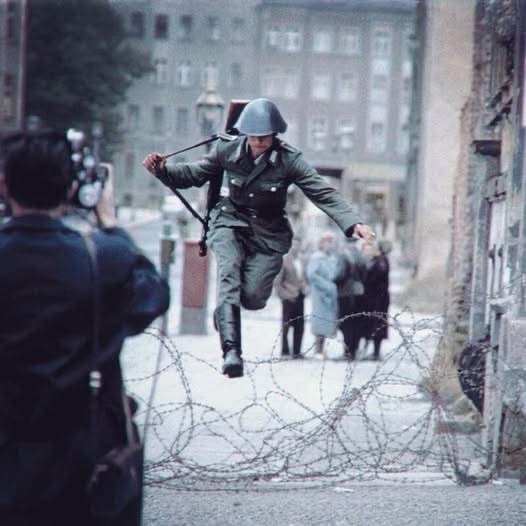
On August 15, 1961, 19-year-old Conrad Schumann was sent to guard the Berlin Wall, which, on its third day of construction, was little more than patches of barbed wire. That day, he witnessed sad scenes of families that were separated by the wall and found himself the target of vitriol from West Germans protesting the wall’s construction.
At around 4 p.m. that afternoon, Schumann saw trucks arrive with material to make the wall even stronger and — panicked by the idea of being “enclosed” within East Germany — he decided to make a break for it by leaping over a low string of barbed wire and into West Germany.
Schumann’s leap over the wall was captured by a photographer at the scene. Dubbed the “Leap Into Freedom,” it remains one of the most iconic images of the Cold War to this day.
Researching the city of Berlin and my family history. I learned something new this morning….
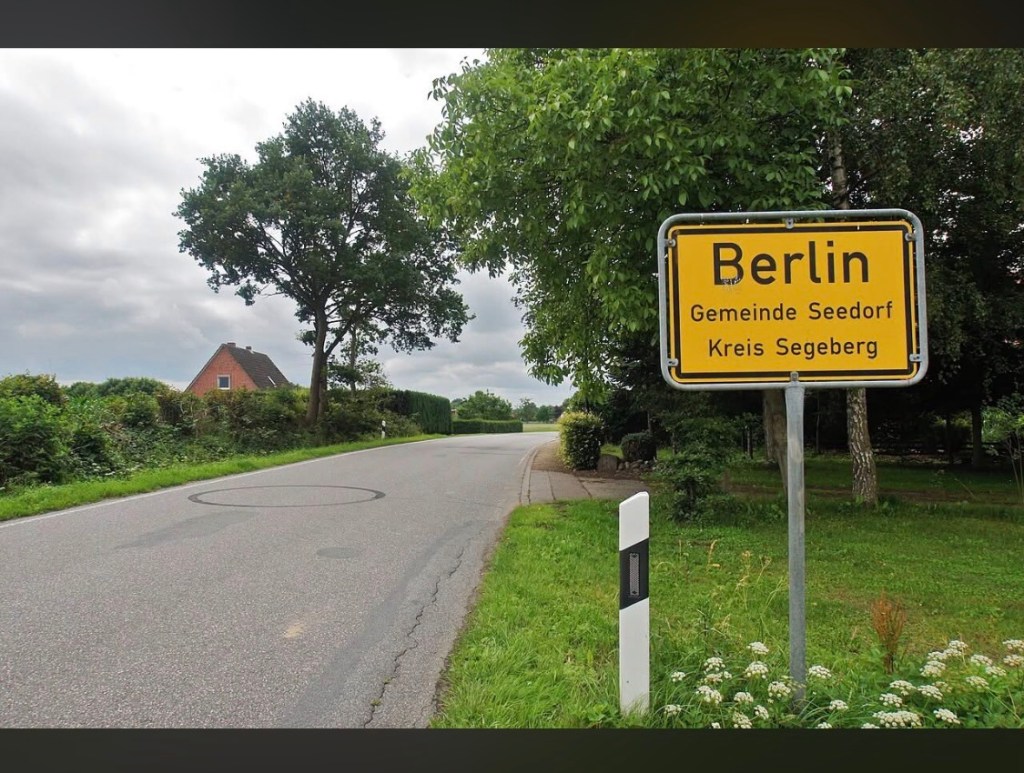
No, we’re not talking about East and West Berlin! That’s past history. Germany’s other Berlin is in fact older than the German capital city. The Schleswig-Holstein former village of Berlin (pop. 600) was first documented in 1215, making it older than the much larger and better-known Berlin, whose name was first recorded in 1244, seven years after that of its sister town, Cölln, on the opposite side of the Spree River. The two towns formed Cölln-Berlin in 1432, before later merging under the Berlin name.
There are seven communities in Germany named Seedorf (“lake village”), but the Seedorf in Kreis Segeberg, Schleswig-Holstein is where we find the former village of Berlin. Today Berlin is the second-largest district in the municipality of Seedorf, after Schlamersdorf. Known as Seedörp in the local dialect, Seedorf has a population of 2,186 (2024).
The “Klein Berlin” (Little Berlin) has several streets named after well-known streets and avenues in “Big Berlin”. These include the main thoroughfare called “Unter den Linden”, as well as others named “Kurfürstendamm”, “Potsdamer Platz”, “Potsdamer Straße”, “Lichterfelde” and “Heerstraße”. A stone marker (Berliner Kilometerstein) at Potsdamer Platz displays the distance to the German capital city, 357 km (222 mi) to the south.
The area around Berlin and Seedorf is a scenic landscape making up part of the Holsteinische Schweiz (Holstein Switzerland) nature reserve. There are campgrounds and tourist accommodations that attract visitors mostly in the summer months. Many are also drawn by the unusual Berlin name and the local Seedorfer See (Lake Seedorf).
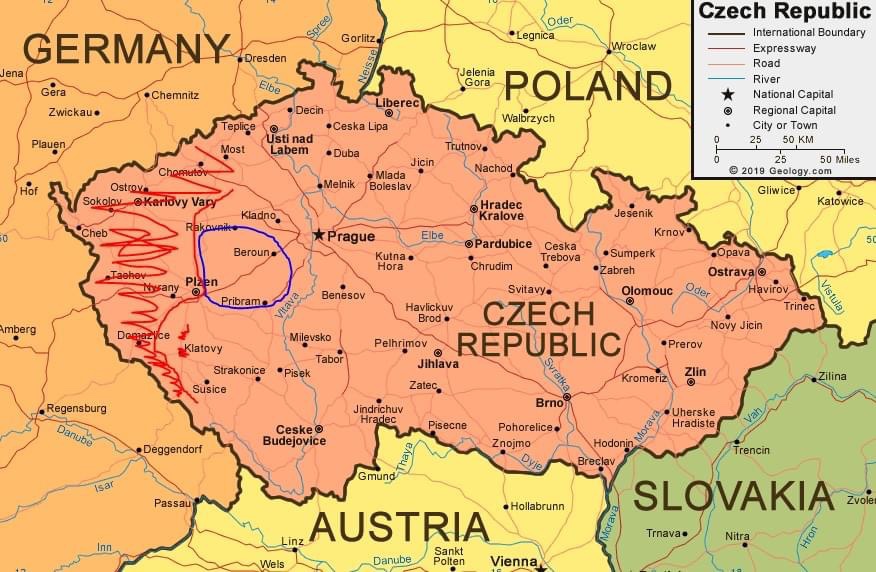
Complex language/ethnicity question. I know in the area East and Northeast of Plzen (blue circle) there is a significant population with German-originating surnames (Müller, Böhm, etc). Up to the beginning of the 1800s, many parish records there were recorded in German, but only briefly later they switch to Czech and never switch back. Of almost all the people I’ve found who immigrated to America from this place (ie Rokycany/Beroun), their graves are recorded in Czech (if not English) and never German (even those with German surnames) so that implies almost all people there from the latter part of the century mainly spoke Czech.
The area to the left, poorly scratched in red, was from what I can tell majority German and German-speaking (ie Sudetenland before WWII). What I’m wondering is were the people in the blue circle “initially” Germans who became “more Czech” when more Czech people migrated in with their language in the 1800s, or was this area “initially” Czech where Germans moved in (significantly enough to garner German priests) and gradually assimilated to Czech?
I feel like this question can apply to a lot of places, like Prague or Sudetenland. Was Prague & Sudetenland in medieval times actually “German”, or was it Czech to then become majority German, then going back to Czech after WWII? Or maybe this is just a “chicken and the egg” thing.
I am researching my Uncle Paul Schultz. He married an Elly Hohenhaus, geb. am 26.06.1901 in Berlin, evangelisch, gibt es eine Karte. Demnach hieß ihre Mutter Berta Hohenhaus, geborene Pinnow, geb. am 03.10.1879 in Kallies. Sie hat am 27.5.1947 beim Standesamt Tempelhof unter der Nummer 291/1947 Paul Schulz aus Magdeburg, geb. am 23.5.1900 in Magdeburg, geheiratet und dann in Mariendorf, Kurfürstenstr. 1 gewohnt. Sie war technische Angestellte.


You must be logged in to post a comment.