Looking for family ..
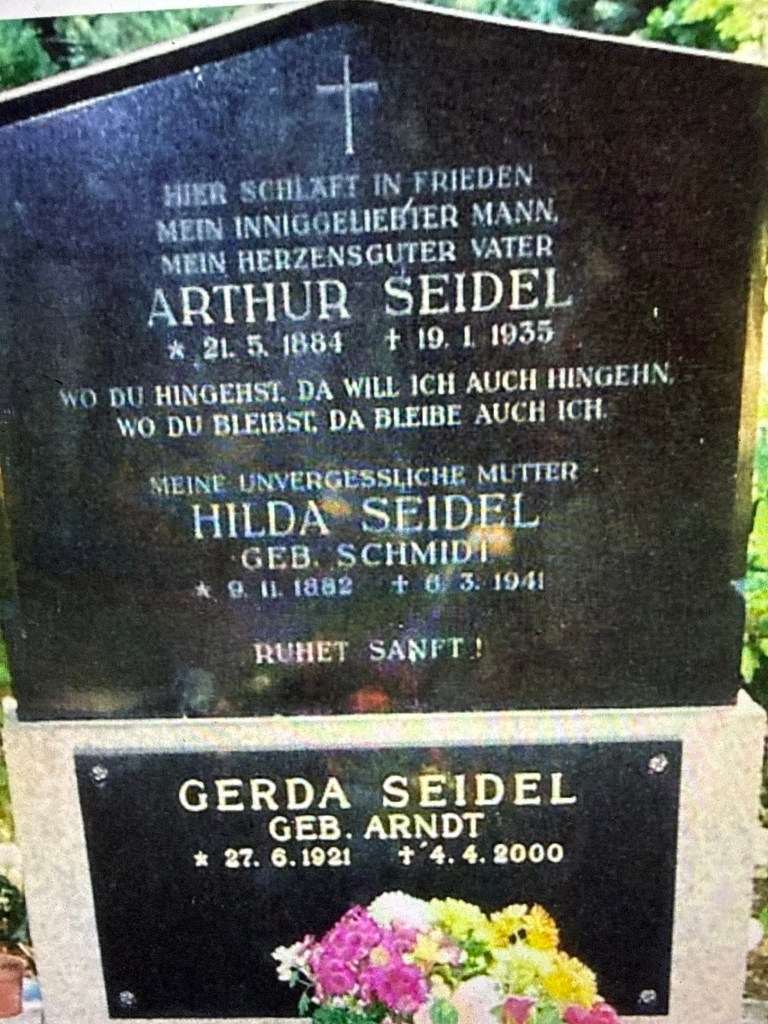
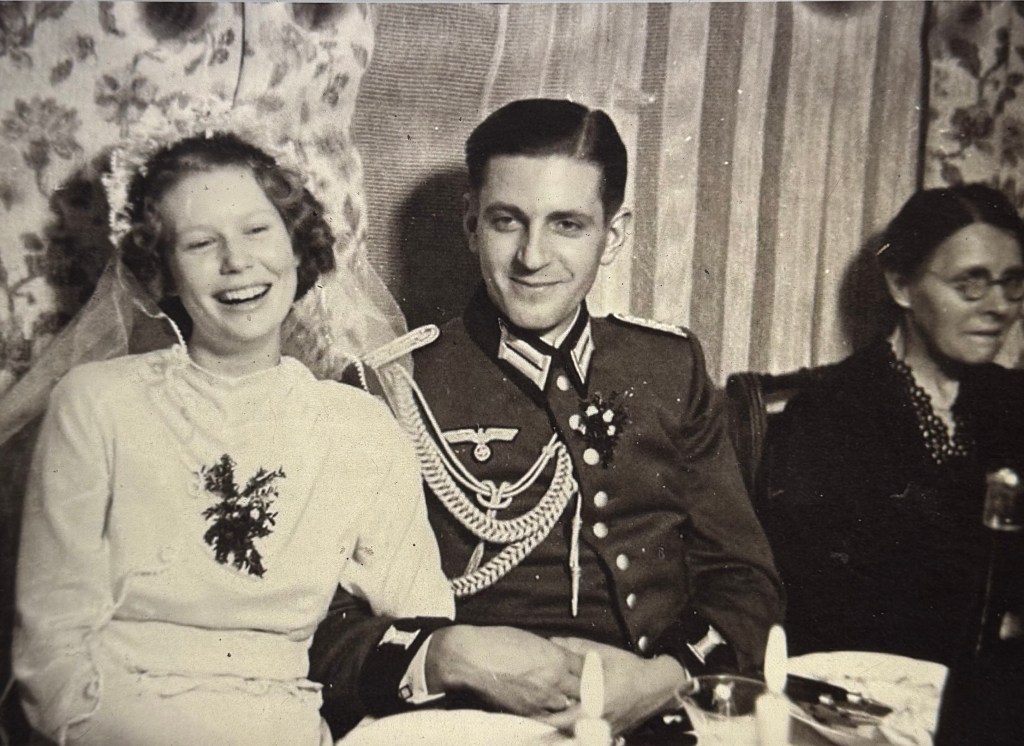
On the left is Gerda ( born Arndt ) with her husband, my grandfather Erich Seidel … Martha Hilda Schmidt .. his mother on the right …

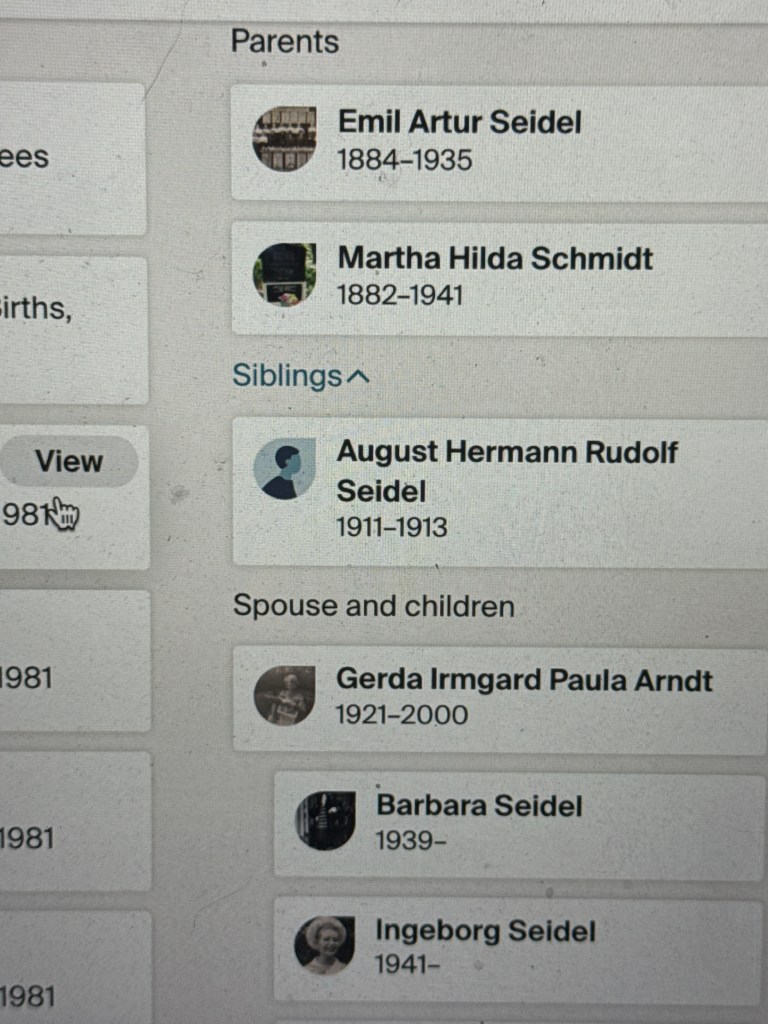
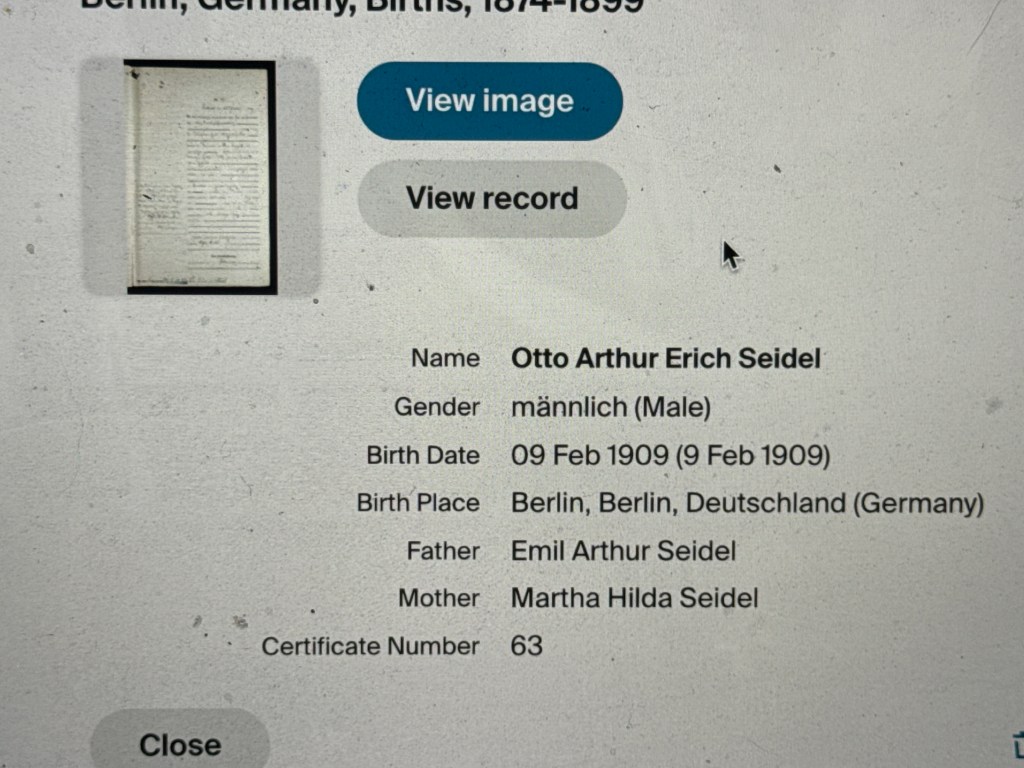
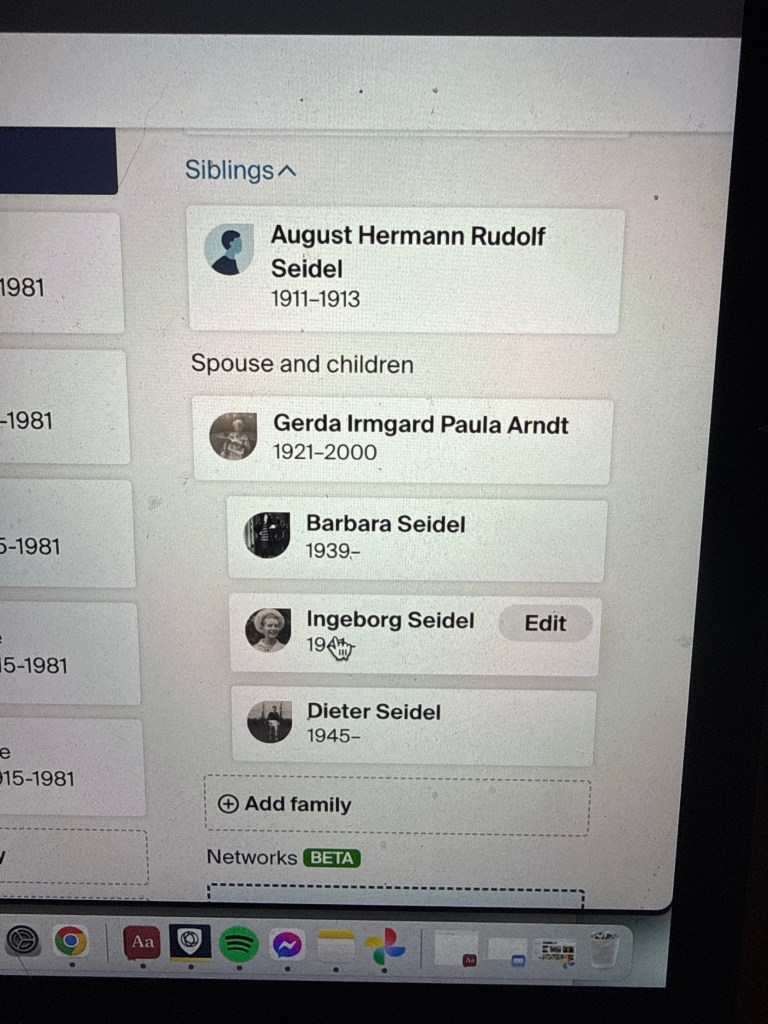
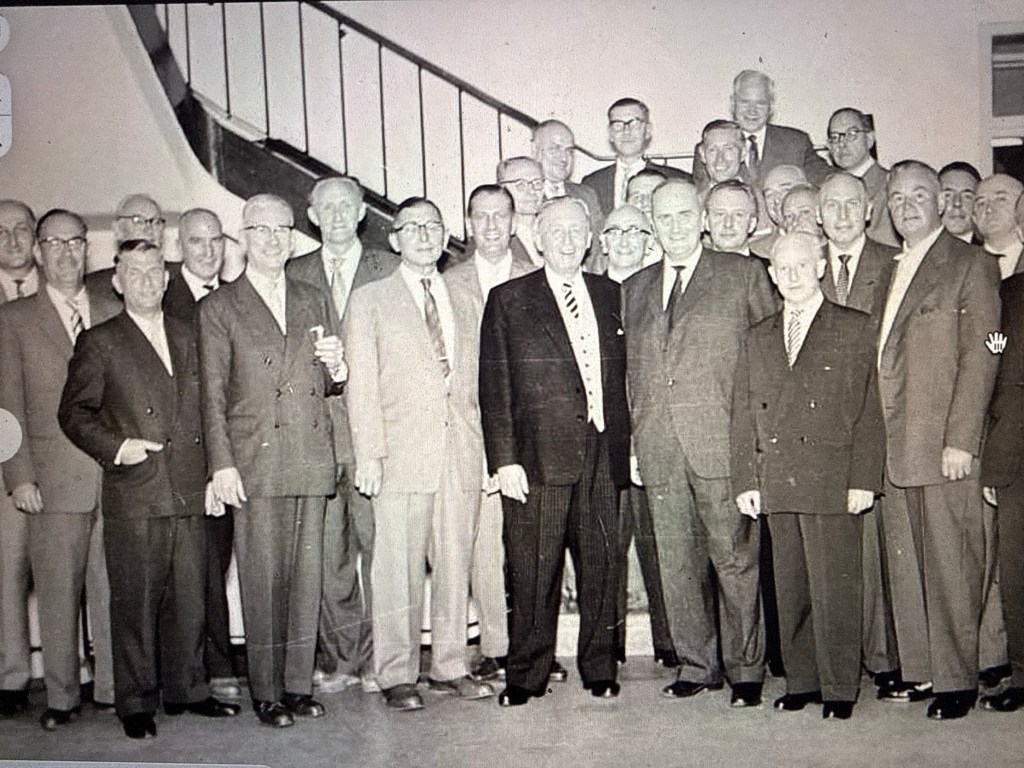
He was an architeckt in Berlin
This is the only photo of his father that I have
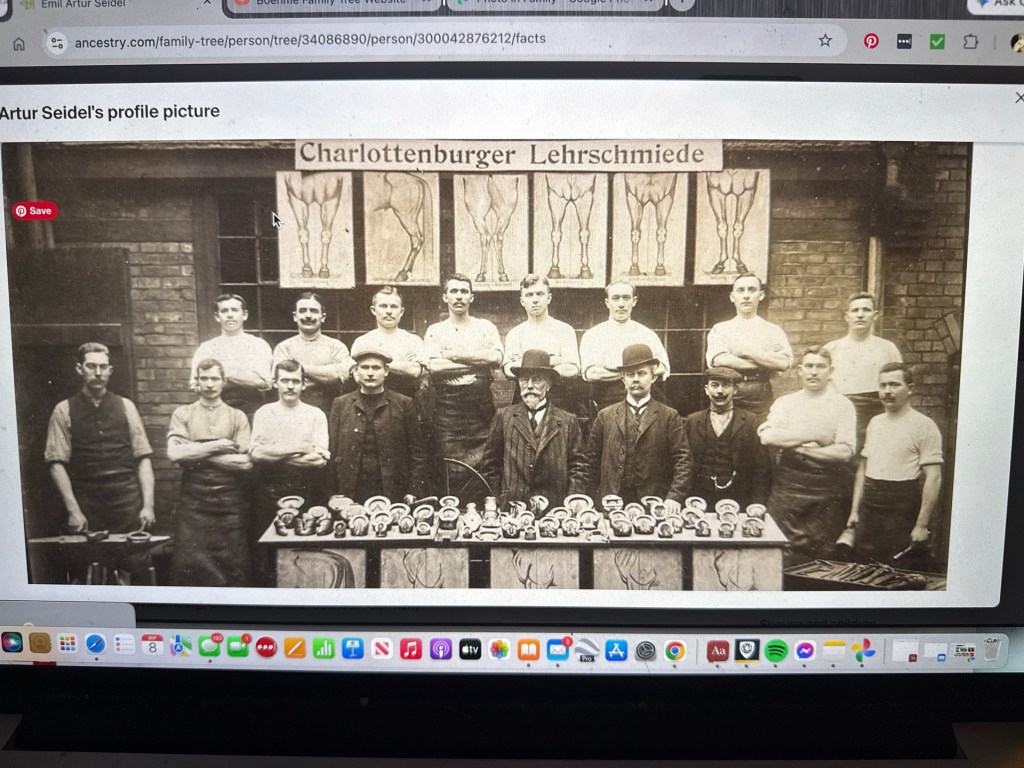
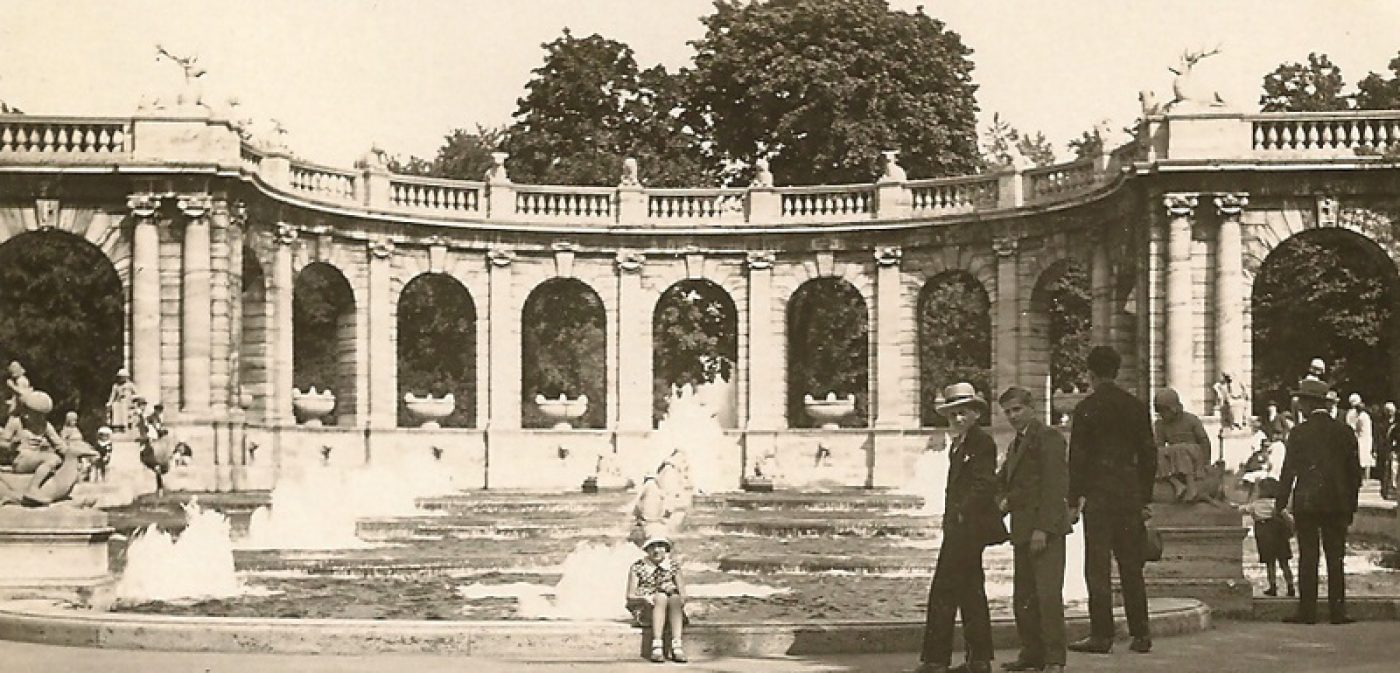
Helping others getting to know there roots.. family .. and tradition as well as my own… welcome!
Looking for family ..
On the left is Gerda ( born Arndt ) with her husband, my grandfather Erich Seidel … Martha Hilda Schmidt .. his mother on the right …

He was an architeckt in Berlin
This is the only photo of his father that I have
Working on my family tree I just turned the TV on while making coffee this morning. My family comes from West Berlin, so to say my family comes from Berlin in general, but when the Berlin wall went up, it was divided east to west… and our family was divided like so many others..
I don’t know if it was God or what or should I say? I know that it was him because why else would I turn the TV on and they start talking about East Berlin..
Trying to find this family … related to my family Seidel ..
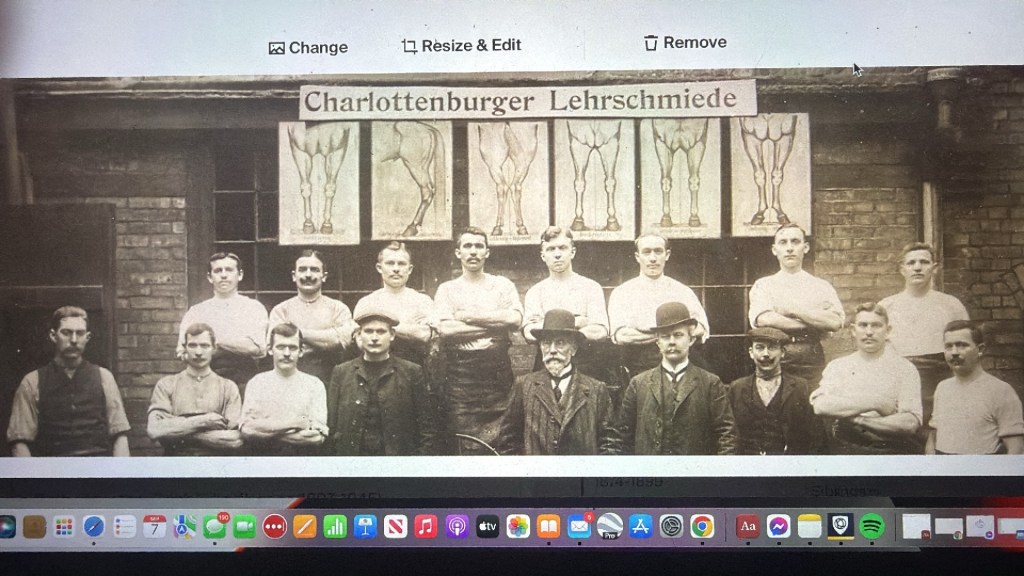
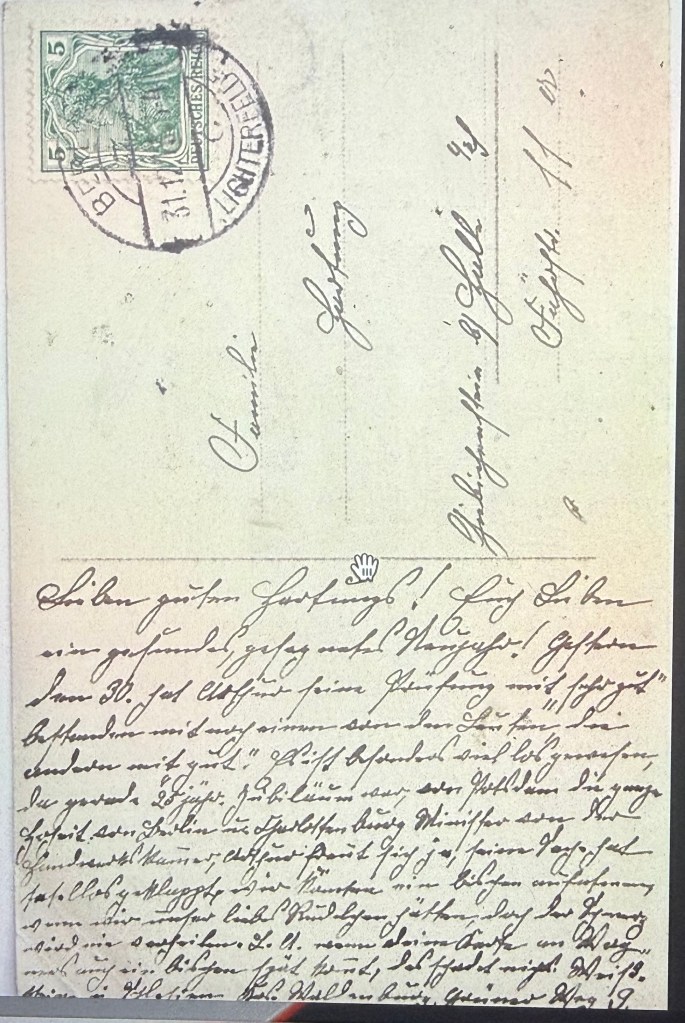
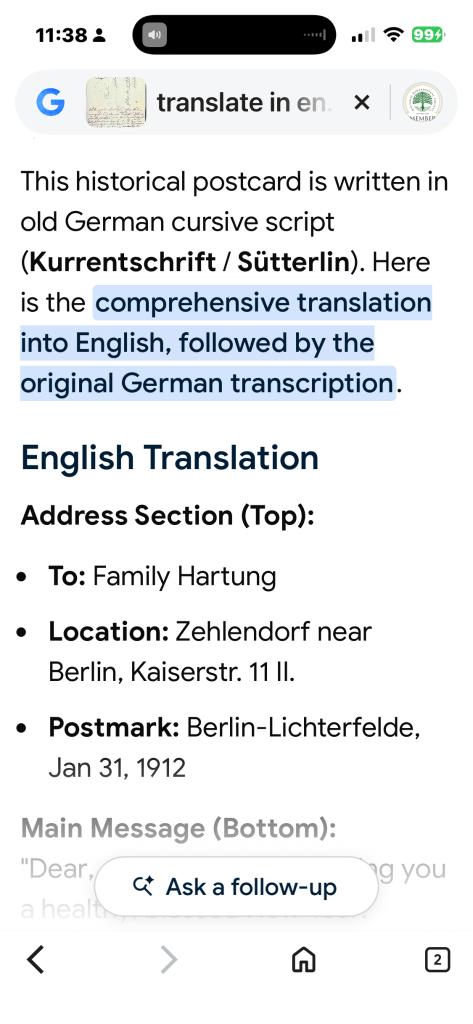
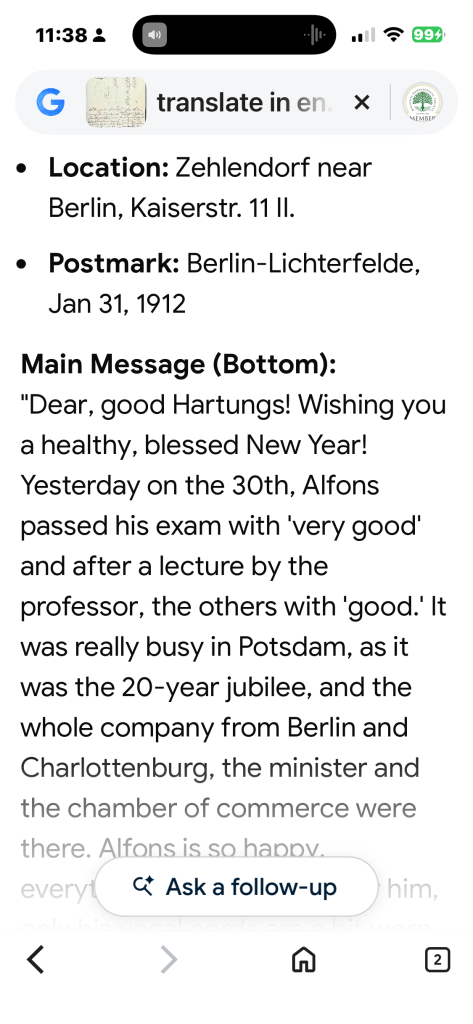
Using AI .. trying to translate
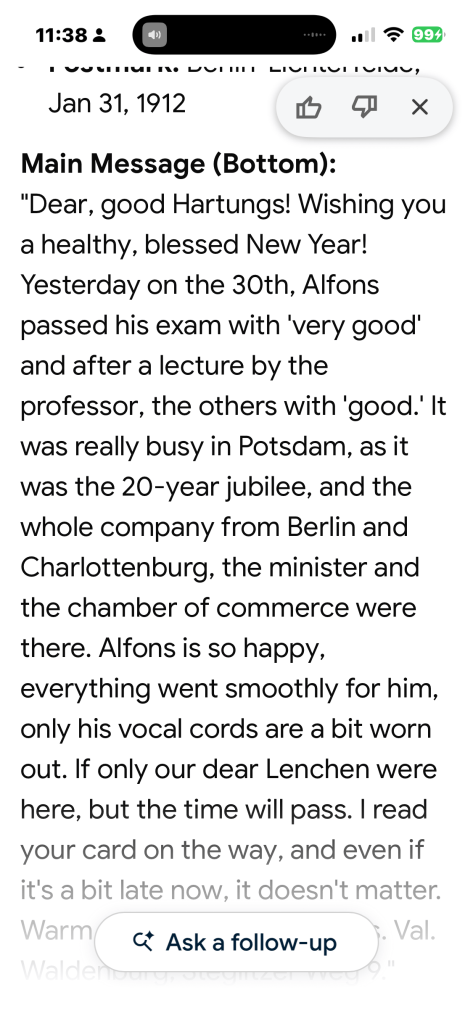
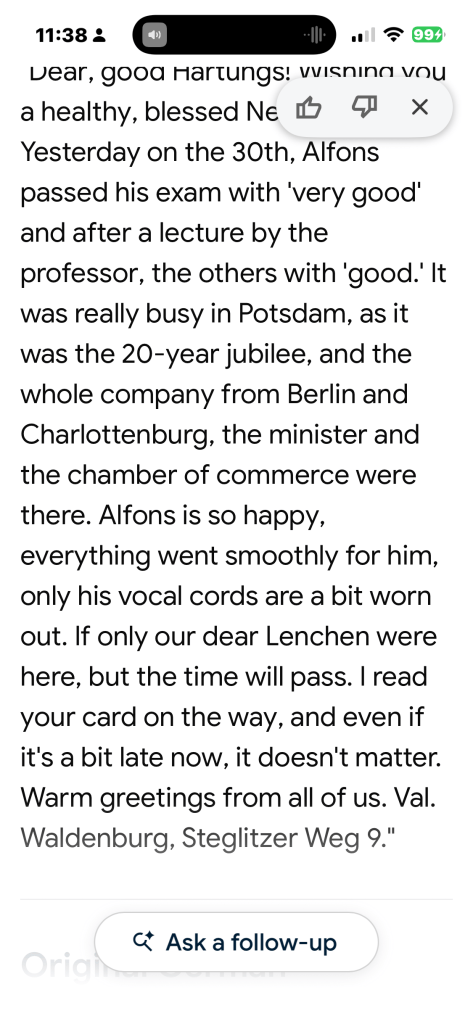
What are some of the “ country’s “ traditions that you come from .. in your family that you love?
With Christmas on its way, it’s my favorite holiday. I love to decorate around the house … and get a real Christmas tree.
From hand-carved wooden nutcrackers to scrumptious ‘Stollen’ – many Christmas traditions we know and love have originated from Germany, some of them dating back centuries.
As we approach the festive season, we’ve rounded up some of the most famous German Christmas traditions, including customs, rituals, religious practices and folklore. Sit back (perhaps with a mug of Gluwein ) and learn about all the weird and wonderful Christmas traditions of our European neighbours.
While advent calendars are sold in most countries, the tradition originated in Germany. First used by German Lutherans in the 19th and 20th centuries, many families would mark the days leading up to Christmas by burning a candle or marking walls or doors with a line of chalk.
MORE FROM HOUSE BEAUTIFULInside this creative’s three-person flat-share
The tradition has since evolved, with retailers now selling chocolate advent calendars, covetable beauty advent calendars, and sustainable fill-your-own advent calendars, which are also popular in Germany.
‘I don’t think I’ve ever had a store-bought advent calendar. My Mum – bless her – would always make them herself. Not just the filling – she would sew or craft a calendar from fabric or even empty toilet paper rolls,’ says House Beautiful‘s daily writer Wanda Sachs, who grew up in Germany.

Children in Germany receive their stockings on Saint Nicholas Day, 6th December. Known as the Feast of Saint Nicholas, this age-old tradition is observed in many European countries, regardless of religious denomination.
‘You clean your boot the night before the 6th and then – only if you’ve done a good job – Sankt Nikolaus comes and fills it with oranges, chocolate, nuts and maybe even a little gift like a toy or a book,’ Wanda says.
Not a very merry tradition but a tradition nonetheless, Krampusnacht sees people dressing up as the horned creature Krampus and walking the streets the night before the celebration of the Feast of St Nicholas. Krampus is a devil-like figure who, during the festive season, scares children who have misbehaved.
Advertisement – Continue Reading Below
Christmas Eve, or ‘Heiligabend’, is when Germans celebrate Christmas. Many households spend the day decorating the tree, preparing food for the family and sprucing up the home. As soon as the night draws in, households will gather around the tree.
According to tradition, the ‘Christkind’ (Christ child) delivers the presents when the children are waiting outside the room. A bell is rung for children to let them know it’s time to come into the room, where they find the presents lying under the tree.


‘As a child, this was such a magical moment,’ recalls Wanda. ‘I remember being at my grandparents’ house and me and all my cousins would wait outside the living room door. At some point, we started questioning why our parents were also in that room when it was the Christkind bringing the presents. They told us they’re helping the Christkind.’
Families often sing carols before the ‘Bescherung’ (opening of gifts) begins. Some families visit a Christmas Eve service at their local church beforehand or afterwards, while others may indulge in delicious food that, according to tradition, isn’t the Christmas roast.
Traditionally, the Christmas feast is reserved for Christmas Day on 25th December. On Christmas Eve, which isn’t a bank holiday in Germany, families would have instead had a meal that was easy to prepare to dedicate more time to church or the opening of the gifts.
Thinking of all those people who tried to cross the border, including probably my family as well as I come from Berlin Germany we had family in the Eastern family in the west..

On This Day: The First Person Shot at the Berlin Wall
On August 24, 1961—just 11 days after East Germany sealed the border—24-year-old Günter Litfin attempted to escape from East to West Berlin.
Litfin made his way through the grounds near the Charité and jumped into the Humboldthafen, hoping to swim the final stretch to West Berlin. East German transport police spotted him, fired warning shots, and then opened fire as he continued swimming.
He was struck in the back of the head, only a short distance from the West Berlin shore. Hundreds of West Berliners gathered on the opposite bank as his body was recovered several hours later.
Günter Litfin became the first person to be deliberately shot and killed while attempting to escape across the Berlin Wall—a grim indication of how far the East German regime was prepared to go to stop people from leaving.
Researching the city of Berlin and my family history. I learned something new this morning….
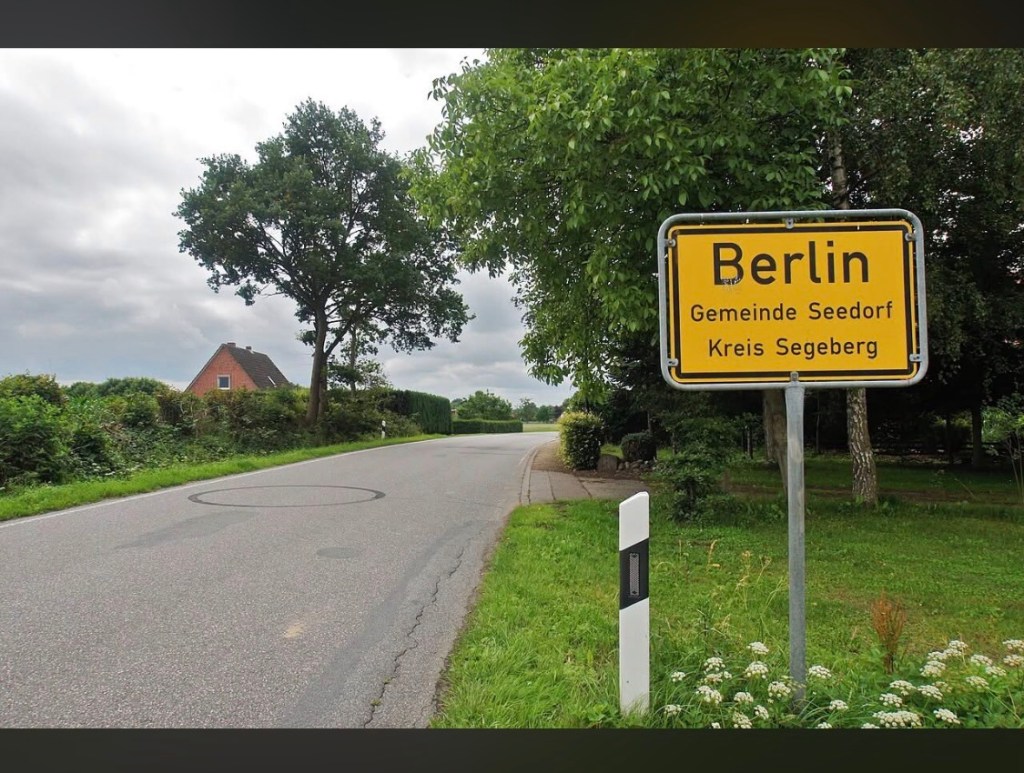
No, we’re not talking about East and West Berlin! That’s past history. Germany’s other Berlin is in fact older than the German capital city. The Schleswig-Holstein former village of Berlin (pop. 600) was first documented in 1215, making it older than the much larger and better-known Berlin, whose name was first recorded in 1244, seven years after that of its sister town, Cölln, on the opposite side of the Spree River. The two towns formed Cölln-Berlin in 1432, before later merging under the Berlin name.
There are seven communities in Germany named Seedorf (“lake village”), but the Seedorf in Kreis Segeberg, Schleswig-Holstein is where we find the former village of Berlin. Today Berlin is the second-largest district in the municipality of Seedorf, after Schlamersdorf. Known as Seedörp in the local dialect, Seedorf has a population of 2,186 (2024).
The “Klein Berlin” (Little Berlin) has several streets named after well-known streets and avenues in “Big Berlin”. These include the main thoroughfare called “Unter den Linden”, as well as others named “Kurfürstendamm”, “Potsdamer Platz”, “Potsdamer Straße”, “Lichterfelde” and “Heerstraße”. A stone marker (Berliner Kilometerstein) at Potsdamer Platz displays the distance to the German capital city, 357 km (222 mi) to the south.
The area around Berlin and Seedorf is a scenic landscape making up part of the Holsteinische Schweiz (Holstein Switzerland) nature reserve. There are campgrounds and tourist accommodations that attract visitors mostly in the summer months. Many are also drawn by the unusual Berlin name and the local Seedorfer See (Lake Seedorf).
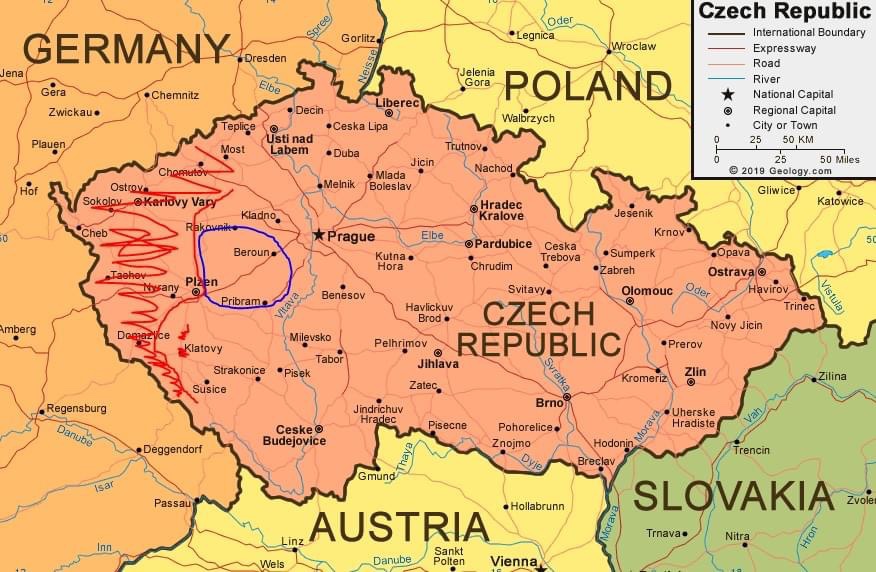
Complex language/ethnicity question. I know in the area East and Northeast of Plzen (blue circle) there is a significant population with German-originating surnames (Müller, Böhm, etc). Up to the beginning of the 1800s, many parish records there were recorded in German, but only briefly later they switch to Czech and never switch back. Of almost all the people I’ve found who immigrated to America from this place (ie Rokycany/Beroun), their graves are recorded in Czech (if not English) and never German (even those with German surnames) so that implies almost all people there from the latter part of the century mainly spoke Czech.
The area to the left, poorly scratched in red, was from what I can tell majority German and German-speaking (ie Sudetenland before WWII). What I’m wondering is were the people in the blue circle “initially” Germans who became “more Czech” when more Czech people migrated in with their language in the 1800s, or was this area “initially” Czech where Germans moved in (significantly enough to garner German priests) and gradually assimilated to Czech?
I feel like this question can apply to a lot of places, like Prague or Sudetenland. Was Prague & Sudetenland in medieval times actually “German”, or was it Czech to then become majority German, then going back to Czech after WWII? Or maybe this is just a “chicken and the egg” thing.


You must be logged in to post a comment.